


April
Diamond
The hardest natural material on earth, and the classic for every day.
Hardness 10 Blue Sapphire engagement rings
 Emerald engagement rings
 Ruby engagement rings
 Pink Sapphire engagement rings
 Black Diamond engagement rings
 Blue Topaz engagement rings
 Oval engagement rings
 Round engagement rings
 Emerald engagement rings
 Cushion engagement rings
 Pear engagement rings
 Princess engagement rings
 Radiant engagement rings
 Marquise engagement rings
 Asscher engagement rings
 Heart engagement rings
 Best sellerTamara, Oval Hidden Halo Black DiamondFrom $1,850
Not sure? Book a virtual appointment
 Sapphire wedding rings
 Emerald wedding rings
 Ruby wedding rings
 Black Diamond wedding rings
 Diamond wedding rings
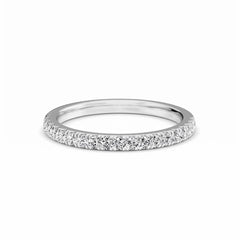 For herLourdes, Half Eternity PavéFrom $825Not sure? Book a virtual appointment
 Emerald jewelry
 Sapphire jewelry
 Ruby jewelry
 Black Diamond jewelry
 Aquamarine jewelry
 Tanzanite jewelry
 Pink Sapphire jewelry
 Topaz jewelry
 Garnet jewelry
 Amethyst jewelry
 Morganite jewelry
 Peridot jewelry
 Tourmaline jewelry
 Citrine jewelry
 Opal jewelry
 Pearl jewelryAll gemstones
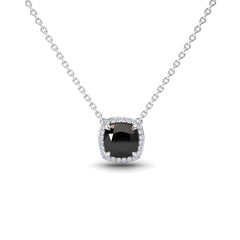 FeaturedBlack & White Diamond Halo Necklace$2,250Not sure? Book a virtual appointment
January, Jan Garnet birthstone jewelryFebruary, Feb Amethyst birthstone jewelryMarch, Mar Aquamarine birthstone jewelry
 April, Apr Diamond birthstone jewelryMay, May Emerald birthstone jewelryJune, Jun Pearl & Alexandrite birthstone jewelryJuly, Jul Ruby birthstone jewelryAugust, Aug Peridot birthstone jewelrySeptember, Sep Sapphire birthstone jewelryOctober, Oct · this month Opal & Tourmaline birthstone jewelryNovember, Nov Topaz & Citrine birthstone jewelryDecember, Dec Tanzanite birthstone jewelry
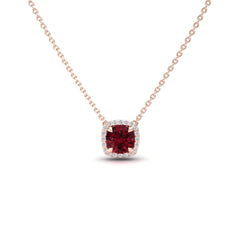 Best sellerEileen, Lab Ruby & Diamond HaloFrom $1,350Not sure? Book a virtual appointment

Gemstones · 16 stones · Natural and lab grown
A clear starting point for understanding gemstones by color, meaning, durability, care and value. Every stone below links to its own in depth guide, and to the jewelry we make with it, with every cost disclosed.
Start here
The stones
Sixteen stones we set in fine jewelry, from the hardest diamonds to the softest pearls. Read the guide for the full story, or go straight to the pieces.
The hardest natural material on earth, and the classic for every day.
Hardness 10Deep green beryl, loved for its color and its natural garden of inclusions.
Hardness 7.5 to 8Second only to diamond in hardness, so it is made for daily wear.
Hardness 9The red variety of corundum, as tough as sapphire and twice as bold.
Hardness 9Opaque and modern, with all the hardness of a white diamond.
Hardness 10Sea blue beryl, a cousin of emerald that is usually cleaner and tougher.
Hardness 7.5 to 8Blue violet, mined in only one place on earth, near Mount Kilimanjaro.
Hardness 6 to 7Shifts from green in daylight to red purple under warm light.
Hardness 8.5Flashes of every color in one stone, no two alike.
Hardness 5 to 6.5Found in almost every color, often two colors in a single crystal.
Hardness 7 to 7.5Bright, clear and hard enough to wear in a ring every day.
Hardness 8Warm golden quartz, sunny color at a gentle price.
Hardness 7Deep wine red, with a long history in fine jewelry.
Hardness 6.5 to 7.5Purple quartz, from soft lilac to rich royal violet.
Hardness 7Lime green, one of the few gems that comes in a single color.
Hardness 6.5 to 7Grown, not mined, inside a mollusk, with a soft glow all its own.
Hardness 2.5 to 4.5Durability
Hardness is measured on the Mohs scale, from 1 for talc to 10 for diamond. It tells you how well a stone resists scratches, and scratches are what dull a ring over the years. Everyday dust contains quartz, which rates 7, so anything softer than 7 will slowly lose its polish if it is worn on the hand every day.
Hardness is not the whole story. Toughness, a stone's resistance to chipping, matters too. Emerald is fairly hard but often has natural fissures, so a protective setting such as a bezel or halo is a smart choice for an emerald ring.
For an engagement ring or a ring you never take off, choose a stone rated 8 or higher. For earrings and pendants, almost any stone works.
| Stone | Mohs | Scale | Best for |
|---|---|---|---|
| Diamond | 10 | Every day, any setting | |
| Black Diamond | 10 | Every day, any setting | |
| Sapphire | 9 | Every day, any setting | |
| Ruby | 9 | Every day, any setting | |
| Alexandrite | 8.5 | Every day, any setting | |
| Topaz | 8 | Every day, any setting | |
| Emerald | 7.5 to 8 | Every day, protective setting | |
| Aquamarine | 7.5 to 8 | Every day, protective setting | |
| Tourmaline | 7 to 7.5 | Every day, protective setting | |
| Citrine | 7 | Every day, protective setting | |
| Amethyst | 7 | Every day, protective setting | |
| Garnet | 6.5 to 7.5 | Occasional wear in rings | |
| Peridot | 6.5 to 7 | Occasional wear in rings | |
| Tanzanite | 6 to 7 | Occasional wear in rings | |
| Opal | 5.5 to 6.5 | Occasional wear in rings | |
| Pearl | 2.5 to 4.5 | Earrings and necklaces |
Color
Start with the color you love. Many stones come in more than one color, so they appear in more than one family. In every stone, the most saturated, evenly spread color is the most valuable.
Meaning
Gemstones have carried meaning for thousands of years, and many people choose a stone for what it stands for as much as how it looks. These are the traditional associations.
Care
Warm water, a drop of mild soap and a soft toothbrush are safe for every stone. Rinse well and pat dry with a lint free cloth.
Keep emerald, opal, tanzanite and pearl away from ultrasonic and steam cleaners, heat and harsh chemicals. Put pearls on last, after perfume and lotion.
Harder stones scratch softer ones. Keep each piece in its own pouch or compartment, and take rings off for the gym, gardening and cleaning.
Value
Color matters most for colored stones. Rich, even, saturated color is worth far more than pale or patchy color.
Fewer visible inclusions raise value, though some stones, emerald above all, are expected to have them.
A good cut brings out color and brilliance. Price per carat climbs quickly as stones get larger, because large, fine stones are rarer.
Natural stones are rarer and cost more. Lab grown stones offer the same beauty and hardness at a fraction of the price.
Every cost, disclosed
Natural and lab grown
A lab grown gemstone is chemically and physically the same as the natural stone, grown in controlled conditions instead of mined. We never mix the two: every piece is clearly listed as natural or lab grown.
Questions
Look for a hardness of 8 or higher on the Mohs scale. Diamond, black diamond, sapphire and ruby are the safest choices for rings worn daily, with alexandrite and topaz close behind. Softer stones such as opal, tanzanite and pearl are lovely in earrings and pendants, where they take fewer knocks.
Corundum, the mineral that makes both sapphire and ruby, rates 9 on the Mohs scale, just below diamond at 10. That is why sapphire is such a popular alternative to a diamond center stone.
Yes. A lab grown emerald, sapphire or diamond has the same chemistry, crystal structure and hardness as the natural stone. The difference is origin: one formed in the earth, the other was grown in controlled conditions. At TrueSanity, lab grown and natural stones are always listed separately, so you know exactly what you are buying.
Keep emerald, opal, tanzanite and pearl out of ultrasonic and steam cleaners. Emeralds often have natural fissures, opals and pearls are sensitive to heat and vibration, and tanzanite can crack under sudden temperature change. Warm water, mild soap and a soft brush are safe for every stone.
Every piece comes with a Transparency Manifest that breaks the price into material, stones, craft, logistics and our protocol fee, which is what we make. The stone's color, clarity, cut, size and whether it is natural or lab grown drive what it costs us, and we show you that number.
There is no difference. Both words describe any process used to improve a gemstone or diamond's appearance or durability.
Clarity is a Form of Luxury.