





June Birthstone: Alexandrite
Alexandrite is a June birthstone, a rare color-changing variety of the mineral chrysoberyl that looks green to bluish green in daylight and red to purplish red under warm incandescent light. It was added to the June list in 1952, alongside pearl and moonstone.
What alexandrite is, why it changes color, what it costs, lab-grown vs natural, and how TrueSanity makes alexandrite jewelry with every cost disclosed.
By Amit Jhalani, third-generation jeweler · Updated October 2026

| Birthstone for | June (with pearl and moonstone) |
|---|---|
| Mineral | Chrysoberyl (not corundum) |
| Color | Green in daylight, red under incandescent light |
| Hardness | 8.5 Mohs |
| Meaning | Transformation, balance |
| Discovered | Ural Mountains, Russia, 1830s |
| Anniversary | 55th |
What Is Alexandrite?
Alexandrite is a rare variety of chrysoberyl, a beryllium aluminum oxide (BeAl₂O₄) colored by traces of chromium. It is not a type of corundum, the mineral behind ruby and sapphire, though it is often mistaken for one. Chrysoberyl also gives us cat’s eye; alexandrite is the variety that changes color.
At 8.5 on the Mohs scale, alexandrite is harder than emerald, aquamarine and garnet, with only diamond and corundum (ruby and sapphire) harder among popular gems. It has good toughness and no cleavage to worry about, so it suits rings and everyday wear.
It is one of three June birthstones. Pearl is the traditional June stone, moonstone has been on the list since 1912, and alexandrite was added in 1952 as a hard, color-changing choice.
What Color Is Alexandrite? How the Color Change Works
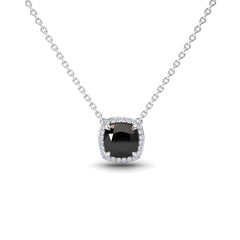
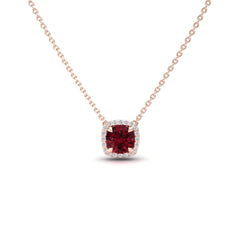
Alexandrite is green to bluish green in daylight or fluorescent light, and red to purplish red under incandescent light or candlelight. The stone does not change. The light does. Chromium absorbs light in the yellow part of the spectrum, leaving green and red to compete: daylight is rich in blue-green light, so green wins; warm incandescent light is rich in red, so red wins.
In daylight
Green to bluish greenThe finest stones show a teal or forest green, never a muddy olive.
Under warm light
Red to purplish redThe finest stones turn a raspberry or purplish red, never a dull brown.
Strength of change is everything. A stone that shifts only from brownish green to brownish purple is still alexandrite, but a vivid, near-complete change from green to red is what collectors pay for. The old saying sums up the ideal: “Emerald by day, ruby by night.”
Is Alexandrite Valuable? What Sets the Price
Fine natural alexandrite is one of the most valuable colored gems in the world. It needs both beryllium and chromium to form, two elements that rarely occur together, so gem-quality natural material is scarce, and most cut stones weigh under one carat. A fine natural stone with a strong change can cost more per carat than a diamond of the same size.
Color change
The most important factor: how complete the shift is, and how pure the green and red are.
Size and clarity
Clean natural stones over one carat are rare, and price climbs steeply with size.
Origin
Natural or lab-grown is the biggest price line of all. Always ask which you are buying.
Lab-Grown vs Natural Alexandrite
Lab-grown alexandrite is real alexandrite. It has the same chemistry, crystal structure, 8.5 Mohs hardness and color change as natural stones; only the origin differs. It is grown mainly by Czochralski pulling, which gives clean crystals with a strong, even change, or by slower flux growth, which gives crystals closer to natural ones.
Because the chromium content is controlled, lab-grown alexandrite often shows a more vivid and consistent change than all but the finest natural stones, at a fraction of the price. That is why TrueSanity’s alexandrite line is lab-grown; our lab-grown alexandrite guide covers how it is made and how to buy it. Every lab-grown alexandrite is disclosed as lab-grown on the product page and in the Transparency Manifest.
Coming soon: Rougeoir. For collectors who want alexandrite from the earth, our upcoming Rougeoir line will offer a small number of natural alexandrite pieces, individually documented and priced with the same transparency.
Alexandrite Meaning & Symbolism
Alexandrite symbolizes transformation, balance and the ability to hold two truths at once. A stone that becomes something else when the light changes needs no metaphor.
Transformation
A gem for change: new jobs, new cities, new chapters. It is a fitting gift for any turning point.
Balance
Green and red, day and night. Alexandrite is linked to balance between the practical and the imaginative.
Imperial Russia
Its red and green echoed the colors of imperial Russia, and it became a national stone there. It marks the 55th wedding anniversary.
The History of Alexandrite
- 1830s
- Found in emerald mines in Russia’s Ural Mountains. Green crystals that turned red by candlelight were recognized as something new, and the stone was named for the young future Czar Alexander II.
- 19th century
- The Ural deposits produced some of the finest alexandrite ever mined, with vivid change and saturation. They are now largely exhausted.
- 1952
- The Jewelry Industry Council of America added alexandrite to the June birthstone list, alongside pearl and moonstone.
- 1987
- A find at Hematita in Minas Gerais, Brazil, produced fine stones with strong change. Today alexandrite also comes from Sri Lanka, East Africa, India and Madagascar, in small amounts.
- Today
- Lab-grown alexandrite makes the full color change available to almost anyone, while fine natural stones remain collector pieces.
Alexandrite, Pearl and Moonstone: June’s Three Birthstones
June is one of three months with three birthstones. Pearl is soft and organic (2.5 to 3 Mohs), moonstone is a glowing feldspar (6 to 6.5 Mohs), and alexandrite is the hardest of the three at 8.5, the best for rings you wear every day.
Four Ways to Wear Alexandrite
Lab-grown alexandrite with full color change. Each piece ships with a Transparency Manifest.


How to Care for Alexandrite
Alexandrite is one of the easiest gems to live with. Clean it with warm, soapy water and a soft brush. Ultrasonic and steam cleaners are usually safe, unless a stone has been fracture-filled, which is uncommon in lab-grown material. Store it apart from diamonds and sapphires, which can scratch it.
Watch the Light
Move between daylight and lamplight to see both faces. The stronger the shift, the better the stone.
Easy Cleaning
Warm, soapy water and a soft brush. At 8.5 Mohs, alexandrite handles daily wear.
Know What You Have
Every TrueSanity alexandrite is identified as lab-grown or natural on the product page and in the Transparency Manifest.
Nocturnal Luxury, Radical Transparency
What an alexandrite piece really costs
Alexandrite shows you two faces. We show you one: the truth. This is the live Transparency Manifest of a real alexandrite piece: metal, stones, craft, shipping, and what we make.
How the Transparency Manifest works →Lab Grown Alexandrite Stud Earrings - Gauri
Alexandrite FAQs
Is alexandrite a June birthstone?
Yes. Alexandrite is one of three June birthstones, alongside pearl and moonstone. It was added to the list in 1952 by the Jewelry Industry Council of America, prized for its rare color change and its 8.5 Mohs hardness.
What month is alexandrite the birthstone for?
Alexandrite is the birthstone for June. It shares the month with pearl, the traditional June birthstone, and moonstone. It is also the gem for the 55th wedding anniversary.
Is alexandrite corundum?
No. Alexandrite is a variety of chrysoberyl, a beryllium aluminum oxide colored by chromium. Corundum is the mineral behind ruby and sapphire. Both are hard gems, but they are different minerals.
What color is alexandrite?
Alexandrite is green to bluish green in daylight or fluorescent light, and red to purplish red under incandescent light or candlelight. The finest stones show a vivid, near-complete change, often described as emerald by day and ruby by night.
How does alexandrite change color?
Chromium in the crystal absorbs yellow light, leaving green and red to compete. Daylight, rich in blue-green light, makes the stone look green; warm incandescent light, rich in red, makes it look red. The stone does not change. The light does.
Is lab-grown alexandrite real alexandrite?
Yes. Lab-grown alexandrite has the same chemistry, crystal structure, 8.5 Mohs hardness and color change as natural alexandrite. Only the origin differs. TrueSanity discloses lab-grown alexandrite as lab-grown on every product page and in the Transparency Manifest.
Why is natural alexandrite so expensive?
Alexandrite needs both beryllium and chromium to form, two elements that rarely occur together, so gem-quality natural material is scarce and most cut stones weigh under one carat. Fine natural stones with a strong color change are among the most valuable colored gems.
Is alexandrite more expensive than diamond?
Fine natural alexandrite with a strong color change can cost more per carat than a diamond of the same size. Lab-grown alexandrite costs a fraction of that, which is why TrueSanity’s alexandrite line is lab-grown.
Can alexandrite be worn daily?
Yes. At 8.5 on the Mohs scale, with good toughness, alexandrite is harder than emerald and suits rings and everyday wear. Of the three June birthstones, it is the most durable.
How do you clean alexandrite?
Use warm, soapy water and a soft brush. Ultrasonic and steam cleaners are usually safe, unless the stone has been fracture-filled, which is uncommon in lab-grown material.
What does alexandrite symbolize?
Alexandrite symbolizes transformation and balance, a fitting meaning for a stone that changes color with the light. In imperial Russia, its red and green echoed the national colors.
Where does alexandrite come from?
Alexandrite was found in Russia’s Ural Mountains in the 1830s and named for the future Czar Alexander II. Those deposits are largely exhausted. Today natural alexandrite comes in small amounts from Brazil, Sri Lanka, East Africa, India and Madagascar.
What are the June birthstones?
June has three birthstones: pearl, alexandrite and moonstone. Pearl is the traditional June birthstone, alexandrite is the color-changing stone added in 1952, and moonstone is the feldspar with a floating glow.
What is the Rougeoir line?
Rougeoir is TrueSanity’s upcoming limited collection of natural alexandrite jewelry, sourced, certified and priced with full transparency. Each piece will be individually documented for collectors who want alexandrite from the earth.
Keep Learning
More from the TrueSanity guides.
Find Your Alexandrite
Birthstones by month
Sources: GIA, June birthstones · GIA, alexandrite · American Gem Society.
Clarity is a Form of Luxury.