







January Birthstone
Garnet The January Birthstone
Collection
The January birthstone is garnet — a gem of protection, inner fire, and quiet devotion. Below: its meaning, 5,000 years of history, 8 extraordinary color varieties, and honest jewelry with every cost disclosed.
What Is the January Birthstone?
The birthstone for January is garnet, not a single mineral, but a group of closely related silicate minerals that share a common crystal structure and an extraordinary range of colors. While most people picture the January birthstone as a deep, wine-dark red, this gemstone family spans virtually every color: fiery oranges, vivid greens, warm pinks, rich purples, and even rare color-changing varieties that shift from blue-green in daylight to purple under incandescent light.
The name traces back through Middle English gernet ("dark red") to the Latin granatus, meaning "seed-like," a reference to the gemstone's resemblance to the glistening red seeds of a pomegranate. Garnet ranks 6.5 to 7.5 on the Mohs hardness scale (varying by species), making it durable enough for everyday garnet jewelry when set with care.
Garnet has been used as a gemstone since the Bronze Age, over 5,000 years, and as an industrial abrasive for almost as long. It remains one of the most geologically diverse and historically significant gemstone families in the world. The modern birthstone list, standardized in 1912 by the National Association of Jewelers, designated garnet as the sole January birthstone.
January Birthstone Meaning & Symbolism
Protection, Safe Passage, and Courage
For millennia, garnet has been the traveler's talisman, carried for safe passage, worn by warriors heading into battle, and placed in wounds by ancient healers who praised its restorative powers. In third- and fourth-century Rome, soldiers wore garnet as protection against injury and death. Native American healers believed it could guard against poison. Asian tribes fashioned garnet bullets, convinced the stone's blood-like color would inflict greater harm than lead.
"Hades gifted Persephone pomegranate seeds, binding her to the underworld forever. The pomegranate's crimson hue became fused with garnet, linking the stone to enduring love, desire, and the pull of deep connection."
— Greek mythology, the Persephone legendIn Greek mythology, the pomegranate, and by extension, garnet, became a symbol of eternal devotion and the inescapable pull of deep connection. At TrueSanity, a gem associated with unwavering loyalty and protective truth feels like a natural fit for a house built on radical transparency.
Love, Vitality, and Emotional Balance
Beyond protection, garnet has been linked to passion, romance, and the strengthening of emotional bonds. In Hindu tradition, garnet is associated with the root chakra, the energy center governing stability, security, and grounding. Medieval Europeans believed garnet could cure depression and ward off bad dreams. In more modern interpretations, garnet symbolizes commitment, loyalty, and the kind of quiet confidence that doesn't need to announce itself.
The 2nd Wedding Anniversary Stone
Garnet is the traditional gemstone for the 2nd wedding anniversary, honoring early commitment with a stone that has symbolized loyalty for over five millennia. Garnet jewelry also makes a meaningful gift for New Year's milestones, fresh starts, and anyone navigating a chapter that demands resilience. January arrives with intention, and garnet is its natural companion.
The History of the January Birthstone
Garnet's story stretches back over 5,000 years. Archaeologists have uncovered garnet jewelry dating to approximately 3500 BCE in Egypt, where necklaces studded with red garnets adorned pharaohs, placed in tombs as protective talismans for the afterlife. The Egyptians referred to garnet as a symbol of life itself.
In ancient Rome, garnets served a dual role: carved into signet rings used to stamp the wax that sealed important documents, and worn as talismanic jewelry believed to bestow protection, strength, and prosperity. Roman soldiers carried garnet into battle as a shield against harm.
Jewish tradition holds that Noah illuminated the Ark during the great flood with a single glowing garnet. During the Middle Ages, the clergy and European nobility prized garnet for its deep color and association with Christ's sacrifice. The stone appeared in church decorations, royal regalia, and as remedies for inflammatory diseases and "angry hearts."
The Victorian era brought garnet to peak fashion status. Bohemian pyrope garnets, mined in what is now the Czech Republic, were set into elaborate pave clusters, rose-cut brooches, and the famous Smithsonian pyrope hair comb, where a large rose-cut garnet crowns a tiara-like jewel. Queen Victoria and Mary, Queen of Scots both famously adorned themselves with garnet jewelry.
Today, the African continent supplies much of the world's garnet. Kenya, Tanzania, and Madagascar produce the rare green tsavorites; Namibia yields spectacular demantoids and vivid orange spessartines. Garnet has also been found in Myanmar, Brazil, Iran, Afghanistan, Pakistan, India, Sri Lanka, and the United States, making it one of the most geographically widespread gemstones on Earth.
January Birthstone Color
Garnet's color range is unmatched among birthstones. While deep red is the most recognized hue of the January birthstone, the garnet family encompasses virtually every color except blue, though even rare blue-green color-change garnets exist. The color of any garnet depends on its chemical composition: iron produces deep reds (almandine), magnesium creates fiery crimson (pyrope), manganese yields vivid oranges (spessartine), and chromium or vanadium generates intense greens (tsavorite, demantoid).
For January birthstone purposes, the classic deep red, specifically almandine and pyrope garnet, remains the most traditional and widely recognized color. However, the diversity of the garnet family means there is genuinely a garnet for every aesthetic preference, from soft raspberry rhodolite to electric mandarin spessartine to emerald-rivaling tsavorite.
Some garnets exhibit remarkable optical phenomena: star garnets display a four- or six-rayed star effect caused by rutile needle inclusions, and color-change garnets (discovered in Bekily, Madagascar in the late 1990s) shift from blue-green in daylight to purple-red under incandescent light, caused by high vanadium content. Certain garnets are even slightly magnetic due to their iron content, making them unique among transparent gemstones.
Beyond Red
8 Garnet Varieties You Should Know
One gemstone family. Eight distinct personalities. From $10/ct to $5,000+/ct.
Almandine
The Classic · $10–50/ct
Deep brownish-red to purplish-red. Iron-aluminum silicate. The most common garnet and the quintessential "garnet red." Found worldwide, especially India and Idaho. Affordable, durable, timeless.
Pyrope
The Fiery Eye · $30–150/ct
Vivid blood-red with minimal brown. From Greek pyrōpos, "fiery-eyed." Magnesium-aluminum silicate. The Bohemian garnets that defined Victorian jewelry. Found in kimberlite pipes alongside diamonds.
Rhodolite
The Modern Favorite · $40–400/ct
Raspberry to rose-violet. A natural pyrope-almandine hybrid named from Greek rhodon (rose). Exceptional clarity, lighter than traditional reds. Increasingly popular in contemporary fine garnet jewelry.
Spessartine
The Mandarin · $50–600/ct
Vivid orange to reddish-orange. Manganese-aluminum silicate. Named after Spessart, Germany. The finest "Mandarin" garnets from Namibia display an electric orange found in almost no other gemstone.
Tsavorite
The Green Rival · $500–7,000/ct
Intense green grossular garnet colored by vanadium and chromium. Discovered in 1967 near Kenya's Tsavo National Park. Rivals emerald in color but with higher brilliance and no need for treatments. Exceptionally rare.
Demantoid
The Connoisseur's Choice · $1,000–5,000+/ct
The rarest and most valuable garnet variety. Vivid green andradite with diamond-like fire. Its light dispersion (0.057) actually exceeds diamond (0.044). Prized for unique "horsetail" inclusions from Russia's Ural Mountains.
Hessonite
The Cinnamon Stone · $20–200/ct
Warm honey-brown to cinnamon-orange grossular. Known as the "cinnamon stone" for its distinctive warm glow. Historically prized in Hindu astrological tradition. Major sources include Sri Lanka and India.
Color-Change
The Chameleon · $500–3,000+/ct
Shifts from blue-green in daylight to purple-red under incandescent light. Discovered in Bekily, Madagascar in the late 1990s. High vanadium content creates the alexandrite-like effect. The rarest garnet type.
January Birthstone Jewelry
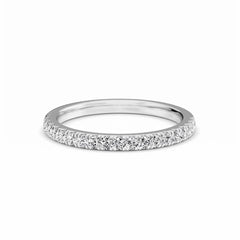
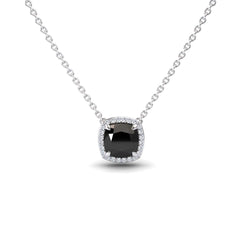
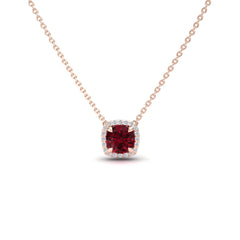
Four Ways to Wear Garnet
Each piece ships with a Transparency Manifest. No hidden markups. Just the stone, the craft, and the truth.


How to Care for Your January Birthstone Garnet
Garnet is durable enough for daily wear but benefits from mindful care. Most garnets are not treated, a rarity among gemstones, meaning what you see is the stone's natural beauty. Clean garnet jewelry with warm, soapy water and a soft-bristled brush. Ultrasonic cleaners are generally safe for garnets without fractures, but avoid them for color-change or heavily included stones.
Store garnet pieces separately from harder gems (diamonds, sapphires, rubies) to prevent scratches. Garnet can, in turn, scratch softer stones like opal and pearl, so keep everything in individual compartments. Remove garnet jewelry before exposure to harsh chemicals, extreme temperature changes, and heavy physical activity. With reasonable care, garnet jewelry will outlast the trends and the decades.
Nocturnal Luxury, Radical Transparency
Most jewelers mark up garnets several times over and call the result "luxury." We think luxury lives in the stone and the craft, not in opaque pricing. Every TrueSanity garnet piece ships with a Transparency Manifest that itemizes your materials cost, artisan labor, logistics, and our honest protocol fee. You see exactly what you're paying for, and why.
Illustrative example. Actual manifests vary by piece and are included with every order.
Gentle Cleaning
Warm, soapy water and a soft brush. Ultrasonic is usually safe, but avoid for color-change or heavily included stones. Most garnets are untreated, so no treatments to worry about damaging.
Smart Storage
Store garnet jewelry separately from harder stones (diamonds, sapphires). Garnet can also scratch softer gems like opal and pearl. Individual pouches or compartments are your best friend.
Avoid Extremes
Avoid Extremes Remove garnet jewelry before harsh chemicals, chlorine, and extreme temperature shifts. Garnet handles heat well but sudden changes can stress some varieties. Treat it with respect and it will outlast you.
Find Your Date
What Is the Birthstone for Your January Birthday?
The birthstone for every day in January is garnet. Your zodiac sign changes, Capricorn (Jan 1–19) or Aquarius (Jan 20–31). Select your date.
Select a date above to see your birthstone details
Birthstone for Every Day in January
Whether you're born on January 1st, Whether you're born on January 1st, January 15th, or January 31st, the January birthstone for your date is garnet. Birthstones are assigned by month, not by individual day. What does change is your zodiac sign: January 1–19 is Capricorn, January 20–31 is Aquarius.
♑ Jan 1–19 · Capricorn
Earth sign. Ruled by Saturn. Garnet strengthens Capricorn's natural discipline, ambition, and quiet determination.
♒ Jan 20–31 · Aquarius
Air sign. Ruled by Uranus. Garnet provides emotional warmth and protective grounding to balance Aquarius's visionary nature.
January Birthstone by Date: Quick Reference
January 1st–5th: Garnet (Capricorn ♑)
January 6th–10th: Garnet (Capricorn ♑)
January 11th–15th: Garnet (Capricorn ♑)
January 16th–19th: Garnet (Capricorn ♑)
January 20th–25th: Garnet (Aquarius ♒)
January 26th–31st: Garnet (Aquarius ♒)
The January 1st birthstone is garnet. The January 2nd birthstone is garnet. The January 3rd birthstone is garnet. The January 4th birthstone is garnet. The January 5th birthstone is garnet. The January 6th birthstone is garnet. The January 7th birthstone is garnet. The January 8th birthstone is garnet. The January 9th birthstone is garnet. The January 10th birthstone is garnet. The January 11th birthstone is garnet. The January 12th birthstone is garnet. The January 13th birthstone is garnet. The January 14th birthstone is garnet. The January 15th birthstone is garnet. The January 16th birthstone is garnet. The January 17th birthstone is garnet. The January 18th birthstone is garnet. The January 19th birthstone is garnet (last Capricorn date). The January 20th birthstone is garnet (Aquarius begins). The January 21st birthstone is garnet. The January 22nd birthstone is garnet. The January 23rd birthstone is garnet. The January 24th birthstone is garnet. The January 25th birthstone is garnet. The January 26th birthstone is garnet. The January 27th birthstone is garnet. The January 28th birthstone is garnet. The January 29th birthstone is garnet. The January 30th birthstone is garnet. The January 31st birthstone is garnet.
Questions
January Birthstone FAQs
The January birthstone is garnet — a group of silicate minerals best known for their deep red color but available in virtually every hue including orange, pink, green, and purple. Garnet has been the recognized birthstone for January since the modern birthstone list was standardized in 1912.
Garnet symbolizes protection, strength, devotion, and safe passage. Ancient Romans and travelers carried it as a talisman. Greek mythology links it to enduring love through the Persephone legend. It is the traditional gemstone for 2nd wedding anniversaries.
Garnet scores 6.5 to 7.5 on the Mohs hardness scale (varying by species), making it suitable for everyday jewelry. Store separately from harder stones like diamonds and sapphires to prevent scratches.
Garnet comes in virtually every color. Deep red (almandine, pyrope) is most recognized, but the family includes raspberry-pink rhodolite, vivid orange spessartine, rare green tsavorite and demantoid, warm cinnamon hessonite, and even color-changing varieties that shift from blue-green to purple.
Demantoid garnet is the rarest and most valuable variety, commanding $1,000–$5,000+ per carat for fine specimens. Tsavorite garnet ranks second at $500–$7,000/ct. Common almandine garnet starts at just $10–$50/ct.
Start with color — classic deep red (almandine/pyrope), modern raspberry (rhodolite), or warm orange (spessartine). Look for saturated color and good clarity. Consider setting style and metal choice. Every TrueSanity ring ships with a Transparency Manifest.
Every TrueSanity garnet piece includes a Transparency Manifest — a detailed breakdown of materials cost, artisan craftsmanship, logistics, and our protocol fee. No hidden markups. You see the full cost anatomy before you buy.
No. The birthstone for every day in January — from January 1st through January 31st — is garnet. Your zodiac sign does change: January 1–19 is Capricorn and January 20–31 is Aquarius, and garnet resonates differently with each sign.