





How to Choose an Engagement Ring
Choosing an engagement ring comes down to five decisions: your budget, the center stone, its shape, the setting and the metal, plus getting the size right. There is no rule for how much to spend; the best ring is the one your partner will love wearing every day, at a price you are comfortable with and can see broken down.
Budget, center stone, shape, setting, metal and size, explained step by step, with the real costs behind a ring and honest answers to the questions everyone asks.
By Amit Jhalani, third-generation jeweler · Updated October 2026

| Decide first | Budget, then center stone |
|---|---|
| Most popular shape | Round brilliant |
| Hardest stones | Diamond 10, sapphire 9 |
| Setting styles | Solitaire, halo, three-stone, bezel |
| Metals | Platinum, white, yellow, rose gold |
| Free resize | One, within 60 days |
| Every ring | Ships with a Transparency Manifest |
Step 1: Set Your Budget
Spend what feels right for you, not what a rule says. The “two or three months’ salary” rule came from decades-old diamond advertising, not from any real guideline. Decide a comfortable range first, then let it guide the trade-offs: a slightly smaller stone with a beautiful cut, a lab-grown diamond, or a colored gemstone can all stretch a budget further.
Is $3,000 too little for an engagement ring? No. It buys a beautiful ring in many styles, especially with lab-grown diamonds, moissanite or sapphire. What matters is knowing what you are paying for, which is why every TrueSanity ring shows its full cost.
Step 2: Choose the Center Stone
The center stone usually takes the largest share of the budget. Here is how the most popular choices compare.
| Stone | Hardness | Look | Good to know |
|---|---|---|---|
| Natural diamond | 10 | Classic white sparkle | Graded on the 4Cs; 0.75 ct and up certified at TrueSanity |
| Lab-grown diamond | 10 | Identical to natural | Same diamond for far less; IGI report above 1 ct |
| Moissanite | 9.25 | More rainbow fire | A diamond alternative, not a diamond |
| Sapphire | 9 | Blue, pink, yellow and more | Very durable color |
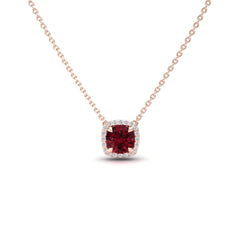
| Ruby / emerald / others | 7.5–9 | Bold color | Check durability for daily wear |
Learn more in our diamond guide, lab-grown diamond guide and gemstone guide.
Step 3: Pick a Shape
Round brilliants sparkle most and are the most popular; fancy shapes such as oval, pear, emerald, cushion, princess, marquise and radiant often cost less per carat and can look larger for their weight. Elongated shapes like oval, pear and marquise lengthen the finger. Emerald and asscher cuts show clarity, so they reward a cleaner stone.
Is a 2 carat ring too flashy? Only if it doesn’t suit the wearer’s style and hand. Size is personal; proportion to the finger and everyday comfort matter more than the number.
Step 4: Choose the Setting
The setting decides how the ring looks, how secure the stone is and how it feels to wear.
| Setting | Look | Security | Snag risk | Care |
|---|---|---|---|---|
| Solitaire (4 or 6 prongs) | Timeless, shows the stone | Good | Some | Check prongs yearly |
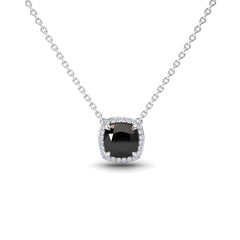
| Halo | Stone looks bigger, more sparkle | Good | Some | More small stones to check |
| Three-stone | Symbolic, wide presence | Good | Some | Check all prongs |
| Bezel | Sleek, modern | Excellent | Low | Easy |
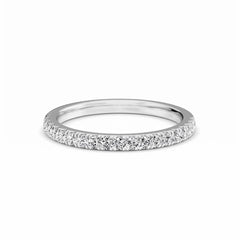
| Pavé band | Sparkle along the band | Good | Low | Small stones can loosen |
| Toi et moi | Two stones, one story | Good | Some | Check both settings |
| Cathedral / hidden halo | Lifted, detailed | Good | Higher if set high | Check prongs |
See how high or low a setting sits in high-set vs low-set engagement rings.
Step 5: Choose the Metal
The metal sets the ring’s color and how it wears over the years. Our metals are never plated or filled; white gold is finished with rhodium.
| Metal | Color | Good to know |
|---|---|---|
| Platinum | Naturally white | Dense and hard-wearing; develops a soft patina |
| 14K / 18K white gold | White (rhodium finish) | Re-plating every year or two keeps it bright |
| 14K / 18K yellow gold | Warm yellow | Classic; 14K is harder, 18K richer in color |
| 14K / 18K rose gold | Pink | Copper gives the warmth; durable |
| Blackened gold | Dark, dramatic | A bold modern look |
Step 6: Get the Size Right
Size the ring for the finger at a comfortable temperature, at the end of the day, when fingers are slightly larger. If you are proposing as a surprise, borrow a ring she already wears on that finger and have it measured, or size up slightly: making a ring smaller is easier than making it larger. Every TrueSanity ring includes one free resize within 60 days.
What You Are Actually Paying For
Every engagement ring price is made of the same parts: the metal, the center and accent stones, the craftsmanship, logistics and insurance, and the seller’s margin. Most jewelers show you only the total. We show each part, so you can see whether your money is going into the stone you’ll look at every day or into a markup. See the full ring cost breakdown and the live example below.
How Long It Takes
Start looking about two months before you plan to propose. Ready-to-ship rings can arrive within days; made-to-order rings take longer, and each product shows its own “ships in” time. Leave room for a resize if you are guessing the size.
Nocturnal Luxury, Radical Transparency
What an engagement ring really costs
Most jewelers sell you a price. We show you the ring: metal, stones, craft, logistics, and what we make. This is the live Transparency Manifest of a real engagement ring.
How the Transparency Manifest works →Lab Grown White Diamond Bezel Set Solitaire Ring - Ada
Engagement Ring FAQs
How much should I spend on an engagement ring?
Spend what feels comfortable for you. There is no real rule; the 'two or three months' salary' idea came from old diamond advertising. Set a range first and let it guide your trade-offs.
What is the 3 month rule for engagement rings?
It is an old advertising slogan suggesting you spend three months' salary on a ring. It is not a real guideline; spend what makes sense for your finances.
Is $3,000 too little for an engagement ring?
No. $3,000 buys a beautiful ring in many styles, especially with a lab-grown diamond, moissanite or sapphire center stone.
Is a 2 carat ring too flashy?
Only if it doesn't suit the wearer. Proportion to the hand, personal style and everyday comfort matter more than the carat number.
What is the most popular engagement ring shape?
The round brilliant is the most popular because it sparkles most. Oval, pear and cushion shapes are popular alternatives that can look larger per carat.
Which engagement ring setting is the most secure?
A bezel setting, which wraps metal around the stone, is the most secure and least likely to snag. Prong settings show more of the stone but should be checked yearly.
Which metal is best for an engagement ring?
Platinum and 14K gold are both durable choices. Platinum is naturally white; white gold has a rhodium finish that needs re-plating every year or two with daily wear.
How do I find her ring size secretly?
Borrow a ring she wears on that finger and have it measured, or size up slightly; making a ring smaller is easier than larger. Every TrueSanity ring includes one free resize within 60 days.
What is the 2:1:1 rule in jewelry?
It is a styling rule, not a buying rule: wear two pieces from one category, one from a second and one from a third, for example two rings, one bracelet and one necklace.
How long does it take to get an engagement ring?
Ready-to-ship rings can arrive within days; made-to-order rings take longer. Each product shows its own shipping time, so start looking about two months before you propose.
Keep Learning
More from the TrueSanity guides.
Find Your Engagement Ring
More guides
Sources: GIA, How to Buy a Diamond · GIA Gem Encyclopedia.
Clarity is a Form of Luxury.