







February Birthstone
The Amethyst
Laid Bare
The February birthstone is amethyst — a gem of clarity, royalty, and quiet sobriety. Below: its meaning, the myth of Dionysus, its rise and fall as a cardinal gemstone, and honest jewelry with every cost disclosed.
What Is the February Birthstone?
The birthstone for February is amethyst — a violet variety of quartz that has captivated humanity for millennia with its regal purple hues. Amethyst's color ranges from pale lilac to deep reddish-purple, with the most prized specimens displaying a vivid, saturated purple with flashes of red and blue — a color grade known in the trade as "Deep Siberian."
The name comes from the ancient Greek amethystos, meaning "not intoxicated" — a reference to the belief that the stone could protect its wearer from drunkenness. Amethyst is a 7 on the Mohs hardness scale, making it durable enough for everyday jewelry. As a variety of quartz — the second most abundant mineral in Earth's crust — amethyst forms inside geodes and the cavities of volcanic rocks, its purple color produced by iron impurities and natural irradiation within the crystal structure.
Until the 19th century, amethyst was counted among the cardinal gemstones, valued equally with diamond, sapphire, ruby, and emerald. The discovery of vast deposits in Brazil changed that calculus, making this once-exclusive royal stone accessible to everyone. The modern birthstone list, standardized in 1912, designated amethyst as the sole February birthstone.
February Birthstone Meaning & Symbolism
Clarity, Sobriety, and the Clear Mind
Amethyst's most ancient and enduring association is with sobriety and mental clarity. The Greeks fashioned drinking vessels from amethyst and wore the stone as jewelry, believing it would prevent intoxication — even when drinking wine from cups lined with the gem. In late antiquity, author Nonnus wrote that Dionysus received an amethyst from his grandmother Rhea specifically to "preserve the wine-drinker's sanity."
"Dionysus wept tears of wine, pouring them over the crystalline quartz — staining it the most glorious purple and bestowing upon it the power to preserve the clear mind."
— Adapted from the Dionysus-Amethystos myth, Greek folkloreThe most famous myth tells of Dionysus (or Bacchus in the Roman telling), the god of wine, who in a drunken rage unleashed tigers upon the next mortal to cross his path. The maiden Amethystos, on her way to pay homage to Artemis, was saved when the goddess turned her into a statue of pure white quartz. Overcome with remorse, Dionysus poured his wine over the stone, staining it the iconic purple. The tale — popularized by 16th-century French poet Rémy Belleau — cemented amethyst's link to sobriety, clarity, and protection from excess.
Royalty, Power, and the Color Purple
Purple has been the color of kings and queens throughout history — largely because creating purple dye was historically arduous and expensive. Amethyst, which occurs naturally in this coveted hue, became a symbol of power and authority. Medieval English regalia was decorated with amethysts to symbolize royalty. Bishops and cardinals wore amethyst rings as symbols of piety and divine connection — a tradition that continues today.
Intelligence, Protection, and the Valentine Connection
Leonardo da Vinci reportedly believed amethyst enhanced intelligence and dispelled evil thoughts. Medieval knights carried amethyst amulets for protection and clear-headedness in battle. And legend holds that Saint Valentine himself wore an amethyst ring carved with the image of Cupid — making this gem a fitting birthstone for the month that celebrates love.
The 6th Wedding Anniversary Stone
Amethyst is the traditional gemstone for the 6th wedding anniversary. It also makes a meaningful gift for February birthdays, Valentine's Day, and anyone who values clarity over chaos — the kind of person who'd rather see clearly than see what they want to see.
The History of the February Birthstone
Amethyst's history stretches back over 5,000 years. Amethyst jewelry dating to 2000 BCE has been found in ancient Egypt, where the gem was carved into animal-shaped amulets believed to offer protection. A scarab bracelet made from amethyst was discovered in the tomb of Tutankhamun. The Egyptians believed the stone could ward off bad dreams, cure depression, and protect against witchcraft.
The ancient Greeks and Romans carved amethyst into intaglio rings — often depicting Bacchus himself — and fashioned drinking cups from the stone, believing it neutralized alcohol's effects. Cleopatra reportedly wore an amethyst ring engraved with the figure of Methe, the Greek goddess of drunkenness, as described by the poet Asclepiades of Samos in 320 BCE.
During the Middle Ages, amethyst was a fixture of European clergy and royalty. Bishops wore amethyst rings as a symbol of their spiritual authority and commitment to sobriety. English regalia was decorated with amethysts as symbols of sovereign power. In 1660, upon the restoration of the monarchy by Charles II, amethyst became a centerpiece of the Crown Jewels.
The gem's status as a cardinal gemstone — valued equally with diamond, ruby, sapphire, and emerald — held until the 19th century, when vast deposits were discovered in Brazil, dramatically increasing supply and lowering prices. Catherine the Great of Russia (1729–1796) adorned herself lavishly with amethyst necklaces, earrings, and ornaments. The Duchess of Windsor made headlines wearing a Cartier-designed amethyst bib necklace at a Versailles gala in 1953.
Today, amethyst remains one of the most popular and accessible gemstones — proof that a stone's value isn't determined solely by scarcity, but by the depth of its beauty and the weight of its story.
February Birthstone Color
Amethyst's color ranges from pale pinkish-lavender to deep reddish-violet, with the most valuable stones displaying a saturated purple with red and blue secondary flashes. The color comes from iron impurities (Fe³⁺) within the quartz crystal lattice, activated by natural irradiation during the stone's formation. The intensity varies based on iron concentration and geological conditions.
The ideal grade, known as "Deep Siberian," features approximately 75–80% dominant purple with 15–20% blue and red secondary hues — named after the historically finest amethysts from Russia's Ural Mountains, though the term now refers to color quality rather than origin. At the other end of the spectrum, "Rose de France" describes a delicate pinkish-lavender that has found a devoted following in contemporary jewelry.
Amethyst can fade with prolonged exposure to intense sunlight or heat — and extreme heat can actually turn amethyst yellow, producing citrine. This sensitivity means care should be taken with display and storage, though everyday wear poses no color risk under normal conditions.
The Spectrum of Purple
6 Amethyst Varieties Worth Knowing
Same mineral. Different origin. Different character. From delicate lavender to profound violet.
Deep Siberian
The Benchmark · Most Valued
Intense saturated purple with red and blue flashes. Originally from Russia's Ural Mountains — "Siberian" now refers to color quality, not origin. Found today in Zambia, Brazil, and Uruguay.
Uruguayan
The Intense · Premium
Exceptionally dark, rich purple with strong saturation. Typically smaller crystals but more concentrated color than Brazilian material. Prized by collectors and fine jewelers for their depth.
Brazilian
The Abundant · Accessible
Produces the world's largest amethyst geodes. Color ranges from moderate to vivid purple — generally lighter than Uruguayan. The deposits that ended amethyst's cardinal gemstone status.
Zambian
The African Depth · Excellent Value
Deep, saturated purple with undertones of red and blue and a velvety texture. The Kariba mine is one of the world's largest sources. Highly pigmented with excellent clarity.
Rose de France
The Soft Alternative · Romantic
Delicate pinkish-lavender to pale lilac. Named as a marketing term evoking Parisian romance. Prized for its ethereal quality in contemporary and minimalist jewelry designs.
Ametrine
The Hybrid · Two Gems in One
A natural combination of amethyst (purple) and citrine (yellow) in a single crystal. Primarily sourced from Bolivia's Anahi mine. Two colors, one stone, entirely natural.
February Birthstone Jewelry
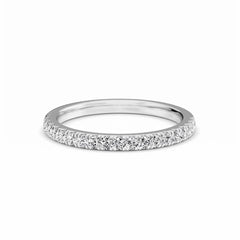
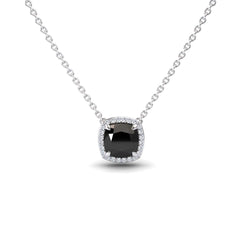
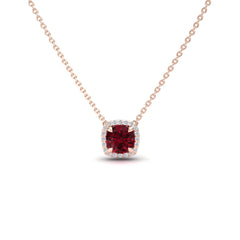
Four Ways to Wear Amethyst
Each piece ships with a Transparency Manifest. No hidden markups. Just the stone, the craft, and the truth.


How to Care for Your February Birthstone Amethyst
Amethyst is durable enough for daily wear at a Mohs hardness of 7, but it asks for a few considerations. Clean with warm, soapy water and a soft brush — ultrasonic cleaners are generally safe, but avoid steam cleaning, which can damage the stone. Amethyst's color can fade with prolonged exposure to intense sunlight or extreme heat, so avoid leaving pieces in direct sun for extended periods.
Store amethyst separately from harder stones (diamonds, sapphires, rubies) to prevent scratches. Remove before applying perfume, hairspray, or household chemicals. With reasonable care, amethyst jewelry will hold its beauty for generations — and unlike many gemstones, most amethyst is untreated, meaning the color you see is entirely natural.
Nocturnal Luxury, Radical Transparency
Most jewelers mark up amethyst and call the result "luxury." We think luxury lives in the stone and the craft — not in opaque pricing. Every TrueSanity amethyst piece ships with a Transparency Manifest that itemizes your materials cost, artisan labor, logistics, and our honest protocol fee. You see exactly what you're paying for, and why.
Illustrative example. Actual manifests vary by piece and are included with every order.
Gentle Cleaning
Warm, soapy water and a soft brush. Ultrasonic is generally safe. Avoid steam cleaning entirely — it can damage amethyst. Most amethyst is untreated, so no surface treatments to worry about.
Protect from Sunlight
Amethyst can fade with prolonged exposure to intense sunlight or extreme heat. Don't leave pieces in direct sun for extended periods. Everyday wear is fine — just don't display in a sunny window.
Smart Storage
Store separately from harder stones. Remove before perfume, hairspray, and household chemicals. Amethyst is tough — but diamonds are tougher. Individual pouches prevent contact scratches.
Find Your Date
What Is the Birthstone for Your February Birthday?
The birthstone for every day in February is amethyst. Your zodiac sign changes — Aquarius (Feb 1–18) or Pisces (Feb 19–28/29). Select your date.
Select a date above to see your birthstone details
Birthstone for Every Day in February
Whether you're born on February 1st, February 14th, or February 28th, the birthstone for your date is amethyst. Birthstones are assigned by month — not by individual day. What does change is your zodiac sign: February 1–18 is Aquarius, February 19–28/29 is Pisces.
♒ Feb 1–18 · Aquarius
Air sign. Ruled by Uranus. Amethyst enhances Aquarius's visionary intellect with emotional clarity and grounding calm.
♓ Feb 19–28 · Pisces
Water sign. Ruled by Neptune. Amethyst deepens Pisces' natural intuition and spiritual sensitivity while providing protective clarity.
February Birthstone by Date: Quick Reference
February 1st–5th: Amethyst (Aquarius ♒)
February 6th–10th: Amethyst (Aquarius ♒)
February 11th–15th: Amethyst (Aquarius ♒)
February 16th–18th: Amethyst (Aquarius ♒)
February 19th–23rd: Amethyst (Pisces ♓)
February 24th–28th: Amethyst (Pisces ♓)
The February 1st birthstone is amethyst. The February 2nd birthstone is amethyst. The February 3rd birthstone is amethyst. The February 4th birthstone is amethyst. The February 5th birthstone is amethyst. The February 6th birthstone is amethyst. The February 7th birthstone is amethyst. The February 8th birthstone is amethyst. The February 9th birthstone is amethyst. The February 10th birthstone is amethyst. The February 11th birthstone is amethyst. The February 12th birthstone is amethyst. The February 13th birthstone is amethyst. The February 14th birthstone is amethyst. The February 15th birthstone is amethyst. The February 16th birthstone is amethyst. The February 17th birthstone is amethyst. The February 18th birthstone is amethyst (last Aquarius date). The February 19th birthstone is amethyst (Pisces begins). The February 20th birthstone is amethyst. The February 21st birthstone is amethyst. The February 22nd birthstone is amethyst. The February 23rd birthstone is amethyst. The February 24th birthstone is amethyst. The February 25th birthstone is amethyst. The February 26th birthstone is amethyst. The February 27th birthstone is amethyst. The February 28th birthstone is amethyst.
Questions
February Birthstone FAQs
The February birthstone is amethyst — a violet variety of quartz that ranges from pale lilac to deep reddish-purple. It has been the recognized birthstone for February since 1912. Amethyst was once valued equally with diamond until large Brazilian deposits were discovered in the 19th century.
Amethyst symbolizes clarity, sobriety, royalty, and inner strength. The name comes from Greek amethystos meaning "not intoxicated." It is the traditional gemstone for 6th wedding anniversaries and is also associated with wisdom and protection.
Amethyst scores 7 on the Mohs hardness scale, making it suitable for everyday jewelry. However, its color can fade with prolonged exposure to intense sunlight or extreme heat, so avoid leaving pieces in direct sun for extended periods.
Deep Siberian is the most valued amethyst color grade — approximately 75–80% dominant purple with 15–20% blue and red secondary flashes. The term originally referred to Russian Ural Mountain amethyst but now describes this color quality regardless of origin.
Until the 19th century, amethyst was a "cardinal gemstone" valued equally with diamond, ruby, sapphire, and emerald. Its rarity and royal purple color made it exclusive to clergy and nobility. Vast Brazilian deposits dramatically increased supply.
Prioritize saturated purple color with even distribution. The most valued amethyst shows red and blue flashes. Amethyst is available in large carat weights at accessible prices. Every TrueSanity ring ships with a Transparency Manifest.
Every TrueSanity amethyst piece includes a Transparency Manifest — a detailed breakdown of materials cost, artisan craftsmanship, logistics, and our protocol fee. No hidden markups.
No. Every day in February has amethyst as its birthstone. Your zodiac sign changes: February 1–18 is Aquarius and February 19–28/29 is Pisces.