


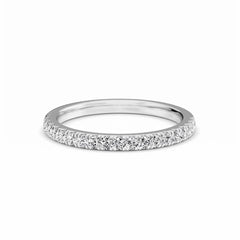


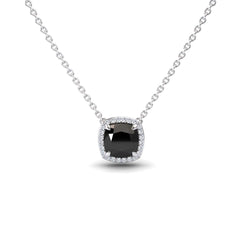
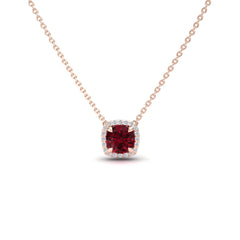

October Birthstone: Tourmaline
Tourmaline is an October birthstone, alongside opal. It comes in more colors than almost any other gem, from pink and red rubellite to green chrome tourmaline and neon blue-green Paraíba, and at 7 to 7.5 on the Mohs scale it is tougher than opal for everyday wear.
What tourmaline is, every color and what it is worth, pink tourmaline meaning, and how TrueSanity makes tourmaline jewelry with every cost disclosed.
By Amit Jhalani, third-generation jeweler · Updated October 2026

| Birthstone for | October (with opal) |
|---|---|
| Mineral | Boron silicate |
| Colors | Pink, red, green, blue, violet and more |
| Hardness | 7–7.5 Mohs |
| Meaning | Protection, compassion, balance |
| Main source | Brazil |
| Anniversary | 8th |
What Is Tourmaline?
Tourmaline is a boron silicate mineral with an unusually complex chemistry, which is why it comes in so many colors. Traces of iron, manganese, chromium, vanadium, copper and other elements each push it toward a different color, and a single crystal can hold two or more. The name comes from the Sinhalese toramalli, “stone with mixed colors.”
It rates 7 to 7.5 on the Mohs scale, harder than opal, which makes it a good choice for rings and everyday jewelry. It has been an October birthstone since the modern list was set in 1912, alongside opal, October’s traditional stone.
Tourmaline Colors and Varieties
One mineral. Almost every color, each with its own name.
Rubellite
Pink to redRich pink and red tourmaline, one of the most popular varieties.
Paraíba
Neon blue-greenColored by copper and first found in Brazil’s Paraíba State in the late 1980s; similar stones later came from Mozambique and Nigeria. The most valuable tourmaline.
Chrome
Emerald greenA vivid green colored by chromium and vanadium, mostly from East Africa.
Indicolite
BlueBlue tourmaline, from greenish blue to violet blue.
Watermelon
Pink and greenA pink center ringed with green in one crystal, like a slice of watermelon.
Pink Tourmaline Meaning
Pink tourmaline stands for love, compassion and gentleness. It is one of the most loved tourmaline colors, and it was the favorite of Empress Dowager Cixi of China, for whom California mines shipped 120 tons of pink and red tourmaline between 1902 and 1910.
How rare is pink tourmaline? Pale and medium pinks are widely available and affordable; deep, clean, intense pinks and reds in larger sizes are rarer and cost more. As a gem, anyone can wear it; questions about who should or should not wear tourmaline come from crystal and astrology traditions, not gemology.
Is Tourmaline Expensive?
Most tourmaline is moderately priced, but the finest is not. Color sets the price: vivid, saturated stones are worth more than pale or dark ones, and neon Paraíba tourmaline commands the highest prices of all. Clarity and size follow; green tourmaline is often eye-clean, while pink and red stones more often show inclusions.
Color
Vivid, pure color is worth the most. Paraíba is the top of the market.
Clarity
Clean pink and red stones are scarcer than clean green ones.
Treatment
Some tourmaline is heated or irradiated to improve color. Always ask, and expect it disclosed.
We disclose each tourmaline as heated or irradiated where that applies, and call a tourmaline unheated only when a lab report states it, on the product page and in the Transparency Manifest.
Tourmaline Meaning & Symbolism
Tourmaline stands for protection, compassion and balance, and its range of colors has long tied it to creativity. Each color carries its own meaning: pink for love, green for courage and renewal, black for protection.
Stone of Mixed Colors
Its Sinhalese name, toramalli, describes exactly what makes it special.
The Ash Puller
Tourmaline builds an electrical charge when heated or squeezed. Dutch traders saw heated stones pull ash from their pipes.
8th Anniversary
Tourmaline is the traditional gift for the eighth wedding anniversary.
The History of Tourmaline
- Centuries of confusion
- Tourmaline was long mistaken for other gems. The “Caesar’s Ruby” in the Russian crown jewels is actually red tourmaline.
- 1820
- Gem tourmaline was found at Mount Mica in Maine, which with California became a historically important U.S. source.
- 1902–1910
- San Diego mines shipped 120 tons of pink and red tourmaline to Imperial China for Empress Dowager Cixi.
- 1912
- The modern birthstone list named tourmaline, with opal, for October.
- Late 1980s
- Electric blue and green copper-bearing tourmaline appeared from Brazil’s Paraíba State, followed by similar finds in Mozambique and Nigeria in the early 2000s.
Tourmaline vs Opal: October’s Two Birthstones
Opal flashes every color at once; tourmaline shows one clear color. Opal is softer (5 to 6.5 Mohs) and best in earrings and pendants; tourmaline (7 to 7.5 Mohs) handles rings worn every day. Both are official October birthstones.
Four Ways to Wear Tourmaline
Each piece ships with a Transparency Manifest. No hidden markups.


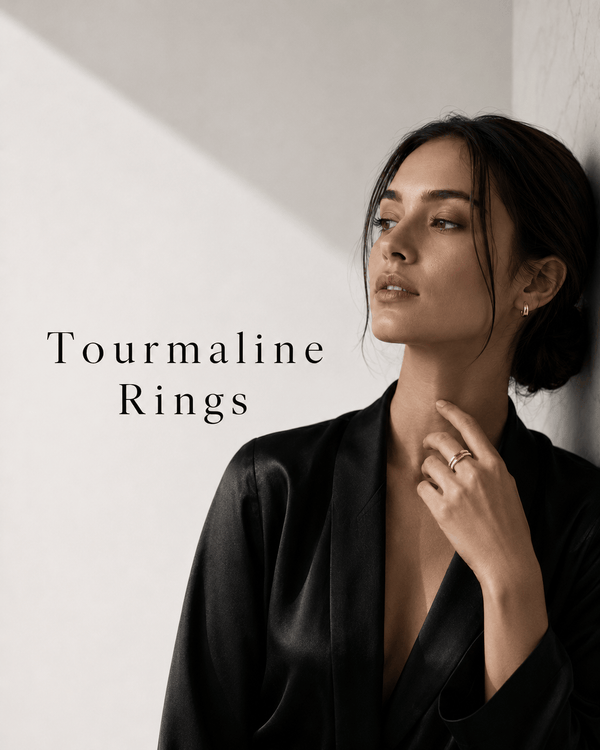

How to Care for Tourmaline
Clean tourmaline with warm, soapy water and a soft brush. Ultrasonic and steam cleaners are not recommended, because heat can damage it. Store it apart from harder gems like diamond and sapphire.
Daily-Wear Durable
7 to 7.5 on the Mohs scale. Fine for rings with normal care.
No Heat
No ultrasonic or steam cleaners. Warm, soapy water only.
Know What You Have
Heating or irradiation is disclosed where it applies; “unheated” only with a lab report.
Nocturnal Luxury, Radical Transparency
What a tourmaline piece really costs
Tourmaline comes in every color. Its pricing usually comes in one: opaque. This is the live Transparency Manifest of a real tourmaline piece: metal, tourmaline and diamonds, craft, shipping, and what we make.
How the Transparency Manifest works →Pink Tourmaline & Diamond Vertical Bar Stud Earrings - Fatima
Tourmaline FAQs
Is tourmaline an October birthstone?
Yes. Tourmaline is one of October's two birthstones, alongside opal. Both were named on the modern list set in 1912 by the National Association of Jewelers, now Jewelers of America.
What month is tourmaline the birthstone for?
Tourmaline is the birthstone for October, together with opal. It is also the traditional gift for the eighth wedding anniversary.
What color is tourmaline?
Tourmaline comes in more colors than almost any other gem: pink, red, green, blue, violet, yellow, black and more, sometimes several colors in one crystal. Pink and red rubellite, green chrome tourmaline and neon blue-green Paraíba are the best known.
What does pink tourmaline symbolize?
Pink tourmaline symbolizes love, compassion and gentleness. It was a favorite of Empress Dowager Cixi of China, for whom California mines shipped 120 tons of pink and red tourmaline between 1902 and 1910.
How rare is pink tourmaline?
Pale and medium pink tourmaline is widely available. Deep, intense, clean pinks and reds in larger sizes are much rarer and cost more.
Is tourmaline expensive?
Most tourmaline is moderately priced, but the finest is not. Vivid, saturated color raises the price, and copper-bearing Paraíba tourmaline is among the most valuable colored gems.
What is Paraíba tourmaline?
Paraíba tourmaline is a neon blue to green tourmaline colored by copper. It was first found in Brazil's Paraíba State in the late 1980s, and similar copper-bearing tourmaline was later found in Mozambique and Nigeria.
Is the Caesar's Ruby really a tourmaline?
Yes. The Caesar's Ruby in the Russian crown jewels, long thought to be a ruby, is actually red tourmaline, known as rubellite.
What is watermelon tourmaline?
Watermelon tourmaline is a single crystal with a pink center and a green outer rim. Cut in a slice, it looks like a piece of watermelon.
Is tourmaline durable enough for everyday wear?
Yes. Tourmaline rates 7 to 7.5 on the Mohs scale, harder than opal, so it suits rings, earrings and everyday jewelry with normal care.
Who should not wear tourmaline?
As a gem, anyone can wear tourmaline. Questions about who should or should not wear it come from crystal and astrology traditions, not gemology.
How do you clean tourmaline?
Use warm, soapy water and a soft brush. Ultrasonic and steam cleaners are not recommended, because heat can damage tourmaline.
Is TrueSanity tourmaline treated?
Some tourmaline is heated or irradiated to improve its color. We disclose each tourmaline as heated or irradiated where that applies, and call a tourmaline unheated only when a lab report states it, on the product page and in the Transparency Manifest.
What's the difference between opal and tourmaline?
Opal flashes rainbow play-of-color and rates 5 to 6.5 on the Mohs scale; tourmaline shows one clear color, in almost any shade, and rates 7 to 7.5. Both are October birthstones.
Keep Learning
More from the TrueSanity guides.
Find Your Tourmaline
Birthstones by month
Sources: GIA, October birthstones · American Gem Society.
Clarity is a Form of Luxury.