







Gemstone Guide
Moissanite
A Nobel Prize winner found it in a meteor crater in 1893 and mistook it for diamond. For eleven years. When the truth emerged, the truth was better: moissanite has more brilliance, 2.4 times more fire, and costs a fraction of the price. It is not a fake diamond. It is a gemstone that outperforms one.
What Is Moissanite?
Moissanite is silicon carbide (SiC), a gemstone with its own chemical composition, crystal structure, and optical properties that are entirely distinct from diamond. It is not a diamond. It is not a diamond simulant. It is not cubic zirconia. It is a separate gemstone that happens to look similar to diamond at first glance, but behaves differently under light and outperforms diamond in two of the three measures of visual brilliance.
Natural moissanite is extraordinarily rare on Earth. It occurs primarily in meteorites and, in trace amounts, in the Earth's upper mantle. All moissanite sold in jewelry today is lab-created, grown as single crystals of silicon carbide in controlled laboratory environments. The process was commercialized in 1998 by Charles & Colvard, a North Carolina company that remains the most recognized name in the moissanite market.
Here's the fact that reframes everything: 99% of all silicon carbide in the universe forms around dying stars. Carbon-rich stars in their final stages shed silicon carbide grains into interstellar space. The moissanite on your finger is made of the same material that drifts between galaxies. Henri Moissan found it in a meteor crater because that's how it gets here.
Born in a Meteor Crater
In 1893, Henri Moissan, a French chemist who would later win the Nobel Prize in Chemistry, was examining rock samples from Meteor Crater (Canyon Diablo) in Arizona. This is the site where a massive iron meteorite struck the Earth approximately 50,000 years ago, leaving a crater nearly a mile wide and 570 feet deep.
"He found tiny, shimmering crystals in the crater dust and believed, for eleven years, that he had discovered diamonds."
— On Henri Moissan's 1893 discovery at Canyon DiabloIn 1904, Moissan finally identified the crystals as silicon carbide, not diamond. A gemologist from Tiffany & Co. named the mineral "moissanite" in his honor. Moissan spent the remainder of his life attempting to synthesize the material in a laboratory. He never succeeded. It would take another 94 years, until 1998, before lab-grown moissanite reached the jewelry market.
For over half a century after Moissan's discovery, no other natural source of moissanite was found. It wasn't until 1958 that geologists discovered it in the Green River Formation in Wyoming. Even today, natural moissanite remains one of the rarest minerals on Earth. Every moissanite gemstone you see in a jewelry case was grown in a lab.
More Brilliant Than Diamond: The Physics
This is not marketing. These are measured physical properties verified by gemological laboratories worldwide.
Brilliance (Refractive Index): Moissanite has a refractive index of 2.65 to 2.69. Diamond's is 2.42. A higher refractive index means the stone bends more light back to your eye. Moissanite is, by this measure, more brilliant than diamond. Not slightly. Measurably.
Fire (Dispersion): Moissanite's dispersion is 0.104. Diamond's is 0.044. That means moissanite splits white light into spectral colors with 2.4 times the intensity of diamond. The rainbow flashes you see in a moissanite are not a flaw. They are the stone doing what it does better than any other gem: creating fire.
Hardness: Moissanite is 9.25 on the Mohs scale. Diamond is 10. Moissanite is the second-hardest gemstone on Earth, harder than sapphire (9), ruby (9), and every other gemstone used in jewelry. It will not scratch, chip, or cloud under normal wear. The sparkle is permanent.
The Double Refraction Tell
If you want to identify moissanite without a lab, there is one visual clue. Moissanite is doubly refractive. Diamond is singly refractive. Under magnification (10x loupe), you can see the back facet edges of a moissanite appearing as doubled lines. It's as if every facet edge has a faint ghost beside it. This is light splitting into two paths as it passes through the crystal.
In practical terms, this doubling is invisible to the naked eye in well-cut stones. You need a loupe or microscope. But for gemologists, it's the fastest way to distinguish moissanite from diamond without electronic testing equipment.
One more identification note: moissanite conducts heat almost identically to diamond. A standard diamond thermal tester will register moissanite as "diamond." Only an electrical conductivity tester can reliably distinguish the two, because moissanite is a semiconductor (it conducts electricity) and diamond is not (with the exception of Type IIb blue diamonds, which also conduct).
Why Choose Moissanite Over Diamond?
More Sparkle, Radically Less Cost
Moissanite stones currently run $10 to $20 per carat, with colored varieties slightly more. A 1-carat equivalent colorless moissanite costs roughly $15 to $20 for the stone itself. Compare that to $4,000 to $8,000+ for a comparable diamond. The stone-to-stone gap is staggering. Even after setting, craftsmanship, and our margin, a finished moissanite ring costs a fraction of a diamond ring. The visual impact per dollar is unmatched by any other gemstone.
No Mining Required
All moissanite is lab-created. No open-pit mines. No conflict sourcing. No environmental disruption. The supply chain is fully traceable from laboratory to finished gem. For buyers who prioritize ethical sourcing, moissanite eliminates the entire conversation about mining.
Permanent Brilliance
Moissanite does not cloud, dull, or lose its fire over time. The crystal structure is stable. The optical properties are inherent to the material, not a coating or treatment. What you see on day one is what you'll see in fifty years.
Not a Compromise
The framing matters. Moissanite is not "settling for less than diamond." It is choosing a different gemstone that, by objective optical measures, produces more brilliance and more fire. The only metric where diamond wins is hardness (10 vs 9.25), and both are hard enough to last a lifetime of daily wear without a scratch.
Natural Colors vs. Coated Colors
Natural Moissanite Colors
Lab-created moissanite is available in a range of natural (uncoated) colors that are inherent to the silicon carbide crystal. The most sought-after is colorless (D-E-F on the diamond color scale), which requires the most controlled growth conditions. Near-colorless (G-H-I) stones have a faint warmth that many buyers actually prefer. Beyond the traditional scale, moissanite is also grown in natural fancy colors including yellow, green, grey, and champagne tones. These colors are created by varying the growth conditions and introducing specific elements during the crystal formation process. The color is permanent because it's part of the crystal itself.
Coated Moissanite Colors
For colors that silicon carbide can't produce naturally during growth, manufacturers apply a thin coating to the surface of the finished stone. This is how you get moissanite in pink, blue, teal, aqua, black, and vivid green. The coating is typically a DLC (Diamond-Like Carbon) or metallic oxide layer applied through vapor deposition.
Coated moissanite is beautiful, but the coating introduces a durability consideration. While the moissanite crystal underneath is still 9.25 Mohs, the coating itself can wear over time with heavy daily use, particularly on rings. It can be scratched by harder materials or damaged by harsh chemicals. Coated moissanite works well in earrings, pendants, and occasion rings. For daily-wear engagement rings, uncoated (natural color) moissanite is the more durable choice.
At TrueSanity, the Manifest always discloses whether a moissanite is natural color or coated. The price difference is modest. Coated stones cost slightly more than uncoated due to the additional manufacturing step.
Moissanite Buying Guide
What Matters
Cut quality. This is the most important factor. A well-cut moissanite will maximize its natural fire and brilliance. Poor cuts can make the double refraction more visible or create dead zones. Round brilliant and cushion cuts tend to showcase moissanite's fire best.
Color grade. Moissanite is graded on the same D-to-K color scale as diamond. Colorless (D-E-F) stones are the most sought-after. Near-colorless (G-H-I) stones offer excellent value with minimal visible warmth. Some buyers prefer the faintly warm tone of J-K grades.
Size (mm, not carat). Moissanite is lighter than diamond, so a moissanite that measures the same diameter as a 1-carat diamond will weigh slightly less. The industry sells moissanite by millimeter dimensions rather than carat weight to avoid confusion. A "1-carat equivalent" moissanite is one that appears the same size as a 1-carat diamond.
Natural vs. coated color. If you want pink, blue, or teal moissanite, know that the color comes from a surface coating. It's beautiful but less durable for daily ring wear. For engagement rings, stick with natural (uncoated) colors.
What Doesn't Matter
Clarity grading (mostly). Lab-created moissanite is almost always eye-clean. Visible inclusions are extremely rare in quality moissanite. If the stone is eye-clean, a higher clarity grade adds cost without visible benefit.
Certification. Moissanite does not come with GIA or IGI grading reports. It doesn't need one. It's not pretending to be a diamond. Our Manifest tells you exactly what the stone is, what it costs, and what you're paying for everything else.
Resale value. Moissanite is a purchase, not an investment. It will not appreciate. But it will be the most brilliant stone in any room, every day you wear it, for the rest of your life.
What Moissanite Is Not
Moissanite is silicon carbide (SiC). It is its own mineral with its own chemistry, not a "synthetic diamond" or a diamond simulant. It is not cubic zirconia (CZ), which is zirconium dioxide, a far softer material that scratches, clouds, and degrades over time. It is not glass. It is not "nano crystal." Many sellers group moissanite with CZ and glass as generic "diamond alternatives." This is misleading. CZ is 8-8.5 on Mohs and loses its polish within years. Moissanite is 9.25 on Mohs, second only to diamond, with permanent brilliance that will never fade. They are not comparable products. We sell moissanite. We do not sell CZ, glass, or nano materials under any name.
Head to Head
Moissanite vs. Diamond
Same conversation. Different numbers. Let the physics decide.
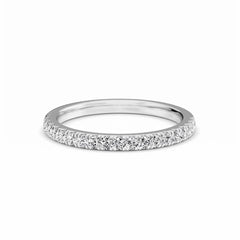
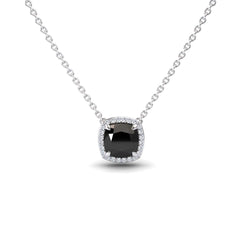
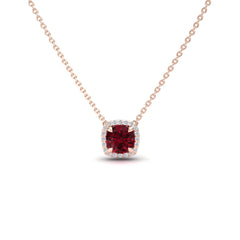
Moissanite Jewelry
Fire, Laid Bare
Each piece ships with a Transparency Manifest. Every cost visible. No pretending it's something it isn't.


The Comparison That Matters
Same Look. Different Stone. Different Price.
A moissanite ring vs. a comparable diamond ring. Same setting. Same visual size. The stone cost difference is 289 to 1.
Same setting. Same craftsmanship. Same visual size. The moissanite stone costs $18. The diamond stone costs $5,200. No external grading report exists for moissanite because it doesn't need one. It's not pretending to be anything else. Both are disclosed. You decide what matters.
2.4× the Fire of Diamond
Moissanite's dispersion of 0.104 produces rainbow flashes with 2.4 times the intensity of diamond's 0.044. This is not a defect. It's a feature. The fire is permanent and will never fade.
Second-Hardest Gemstone
9.25 on Mohs. Harder than sapphire, ruby, and every other gemstone except diamond. No scratching, chipping, or clouding under normal wear. Clean with warm soapy water. Ultrasonic and steam cleaners are safe.
Natural or Coated: Disclosed
Every TrueSanity moissanite piece is sold as moissanite, never disguised as diamond. The Manifest identifies natural color vs. coated, the stone's carat-equivalent size, color grade, and every cost. For coated stones, we recommend earrings and pendants over daily-wear rings. Because a gemstone this brilliant doesn't need to pretend, and you deserve to know what you're wearing.
Questions
Moissanite FAQs
Yes. Moissanite is silicon carbide (SiC), a distinct mineral first discovered in a meteor crater in 1893. It has its own chemical composition, crystal structure, and optical properties. It is not a diamond, not cubic zirconia, and not a simulant.
Yes, by measurable physical properties. Moissanite's refractive index (2.65-2.69) is higher than diamond's (2.42), meaning it reflects more light. Its dispersion (0.104) is 2.4 times higher than diamond's (0.044), meaning it produces significantly more rainbow fire.
With the naked eye, it's extremely difficult. Under 10x magnification, moissanite shows doubled facet edges due to its double refraction. Moissanite also passes standard diamond thermal testers. Only an electrical conductivity tester can reliably distinguish the two.
9.25 on the Mohs scale. Second only to diamond (10). Harder than sapphire, ruby, and every other gemstone used in jewelry. It will not scratch or chip under normal daily wear.
Natural moissanite was first found in a meteor crater in Arizona. It is extraordinarily rare on Earth. All moissanite in jewelry is lab-created. In the universe, 99% of silicon carbide forms around dying stars.
Moissanite stones run $10 to $20 per carat, with colored varieties slightly more. A comparable 1-carat diamond costs $4,000 to $8,000+ for the stone alone. Even in a finished ring with setting and craftsmanship, moissanite jewelry costs a fraction of diamond jewelry.
Uncoated (natural color) moissanite: no. The brilliance and fire are permanent, inherent to the crystal structure. What you see on day one is what you'll see in fifty years. Coated moissanite: the crystal underneath is permanent, but the color coating can wear with heavy daily use over time.
Natural color moissanite (colorless, near-colorless, yellow, green, grey, champagne) gets its color during crystal growth. It's permanent. Coated moissanite (pink, blue, teal, black, vivid green) has a thin surface coating applied after cutting. Beautiful but less durable for daily ring wear. Best for earrings, pendants, and occasion pieces.
Yes. All moissanite is lab-created. No mining, no conflict sourcing, no environmental disruption. The supply chain is fully traceable from laboratory to finished gemstone.
Excellent. At 9.25 Mohs, it's durable enough for daily wear for a lifetime. It produces more fire and brilliance than diamond. And it costs a fraction of the price. For engagement rings, choose natural (uncoated) color for maximum durability.
Every moissanite piece is sold as moissanite, never disguised as diamond. The Manifest shows the stone (natural or coated), its carat-equivalent size, color grade, setting cost, craftsmanship, and our protocol fee. No external grading report because moissanite doesn't need one.