Lab-Grown Jewelry

Lab Grown Jewelry combines advanced technology with ethical practices to create stunning, sustainable pieces. Experience the beauty and brilliance of

gemstones with a reduced environmental impact.

164 pieces

Nothing loaded yet arrives in time. Keep scrolling, or turn the delivery toggle off.

Loading more pieces

Discover lab grown jewelry made for people who love beautiful gemstones, thoughtful design, and greater transparency. True Sanity brings together lab grown diamonds and colored gemstones, including lab grown rubies, lab grown sapphires, lab grown emeralds, and lab grown alexandrite.

Discover Lab Grown Jewelry for Every Style

Lab grown jewelry comes in styles for every taste, from simple pieces you can wear every day to more detailed designs made for celebrations. Explore classic silhouettes, modern settings, and fine jewelry featuring both diamonds and colored gemstones.

Lab Grown Rings

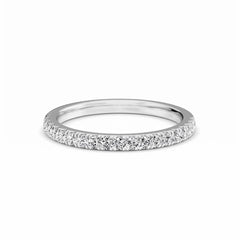
Choose lab grown rings featuring lab grown diamonds, emeralds, sapphires, rubies, or alexandrite. Styles may include solitaire, halo, three stone, cluster, signet, stackable, and statement rings.

Lab Grown Earrings

Add color or sparkle with lab grown earrings in styles such as studs, hoops, drops, huggies, and chandelier earrings. Choose a pair for everyday comfort, formal occasions, or a coordinated look with your favorite necklace or ring.

Lab Grown Necklaces

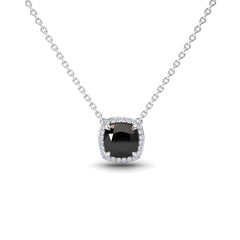
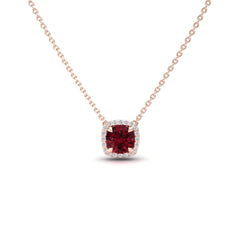
Explore lab grown necklaces featuring pendants, gemstone stations, diamond accents, and statement designs. Wear a necklace on its own or layer it with chains of different lengths for a more personal look.

Lab Grown Bracelets

Complete your jewelry collection with lab grown bracelets featuring lab grown diamonds and colored gemstones. Choose from delicate designs, tennis inspired styles, gemstone links, bangles, cuffs, and statement pieces.

Explore Lab Grown Diamonds and Colored Gemstones

Lab grown jewelry is about more than colorless diamonds. Each gemstone has its own color, character, durability, and style. Understanding these differences can help you choose a piece that suits your taste and your lifestyle.

Lab Grown Diamonds

diamonds are diamonds created in a controlled laboratory environment. They have the same basic chemical composition and crystal structure as mined diamonds and are evaluated using familiar factors such as cut, color, clarity, and carat weight.

Cut has a major effect on a diamond's brilliance and fire. Color and clarity also influence its appearance, while carat weight refers to the diamond's weight rather than its exact visual size. The setting, proportions, and metal can further affect how the diamond looks in the finished piece.

Lab Grown Emeralds

Lab grown emeralds add rich green color to rings, earrings, necklaces, and bracelets. Emeralds are often known for their natural inclusions, sometimes called a jardin, which can give each stone its own character.

Lab Grown Sapphires

Lab grown sapphires are a durable and versatile choice for colorful jewelry. Blue is the best-known sapphire color, but sapphires can also appear in many other shades.

Lab Grown Rubies

Lab grown rubies bring vivid red color to fine jewelry. They can stand on their own as the focal point of a design or be paired with diamonds and precious metals.

Lab Grown Alexandrite

Lab grown alexandrite is known for its distinctive color-changing effect under different lighting conditions. The strength and appearance of the color shift can vary from stone to stone.

Understanding Lab Grown Gemstones

Lab grown gemstones are created in controlled environments using processes that support crystal growth. The exact method depends on the gemstone. Lab grown diamonds are commonly made using chemical vapor deposition or high pressure, high temperature methods. Colored gemstones may be produced using different growth techniques.

A lab grown gemstone is not the same as a simulant. A simulant only looks like another gemstone, while a lab grown gemstone is the gemstone type named in its description.

What Is Lab Grown Jewelry?

Lab grown jewelry contains diamonds or gemstones created in a laboratory, then cut, polished, and set into a finished piece. It may also include precious metals such as gold or platinum, along with details such as prongs, bezels, pavé settings, channels, or halos.

Lab Grown Jewelry Quality Factors

The quality of a piece depends on more than the gemstone's origin. Before buying, review the following:

  • Gemstone type, color, cut, clarity, dimensions, and carat weight
  • Diamond quality factors, including cut, color, clarity, and carat weight
  • Metal type, purity, color, and finish
  • Setting style and how securely the gemstone is held
  • Craftsmanship, symmetry, polish, and finishing
  • Product measurements and total weight
  • Treatment or enhancement information for colored gemstones
  • Available grading reports, certificates, warranties, and return terms
  • Care instructions and after sales support

The best lab grown jewelry is a piece with materials, construction, design, and details that suit your needs.

Lab Grown Jewelry Metals and Settings

The metal and setting affect a piece's appearance, comfort, durability, and care requirements.

Lab Grown Gold Jewelry

Lab grown gold jewelry is jewelry made with gold and featuring lab grown gemstones. Gold may be available in different colors and purities, including yellow gold, white gold, and rose gold.

Platinum Jewelry

Platinum is a naturally white precious metal known for its substantial feel and durability. It creates a neutral backdrop for diamonds and colored gemstones, although its weight, price, and maintenance needs differ from gold.

Common Jewelry Settings

Prong settings hold a gemstone in place with small metal claws while allowing light to enter the stone. Bezel settings surround the gemstone with metal and can offer additional protection.

If you plan to wear a ring often or have an active lifestyle, consider how exposed the gemstone is, whether the setting offers protection, and how easily the piece can be inspected and cleaned.

Lab Grown Jewelry for Everyday Wear and Meaningful Gifts

Lab grown jewelry can be worn at work, at home, during celebrations, and on important occasions. The right choice depends on the gemstone's durability, the setting's protection, the metal, and how often the piece may be exposed to impact, moisture, chemicals, or abrasion.

Everyday Fine Jewelry

Simple rings, studs, pendants, and understated bracelets can add polish to your everyday look without feeling overdone. For frequent wear, look for comfortable proportions, secure settings, practical closures, and a gemstone that suits your routine.

Jewelry for Celebrations and Milestones

A diamond or colored gemstone can make a thoughtful gift for birthdays, anniversaries, engagements, graduations, personal achievements, and other meaningful occasions.

Before choosing a gift, consider the recipient's preferred metal, favorite colors, jewelry style, and lifestyle.

How to Choose the Right Lab Grown Jewelry

Use these factors to narrow your options and find a piece you will enjoy wearing.

Choose Your Gemstone

Start with the color, brilliance, and character you like best. Diamonds offer classic sparkle, while emeralds, sapphires, rubies, and alexandrite bring distinctive color and personality.

Compare Gemstone Quality

Review the cut, color, clarity, dimensions, carat weight, and any treatment information. For diamonds, cut is especially important because it has a strong effect on light performance. For colored gemstones, color and overall appearance may matter most.

Select Your Jewelry Style

Think about how you or the recipient usually wears jewelry. Rings and bracelets can make a visible statement, while earrings and necklaces can range from subtle to bold.

Pick Your Precious Metal

Choose a metal that complements the gemstone and works well with your existing jewelry. When shopping for lab grown gold jewelry, compare yellow, white, and rose gold, along with purity, finish, and care requirements.

Consider How You'll Wear It

For everyday jewelry, comfort, durability, and versatility may be the most important factors. For an event or statement piece, gemstone size, color, setting, and visual impact may matter more.

Review the Product Details

Before purchasing, confirm the gemstone type, metal, dimensions, carat weight, setting, care instructions, shipping information, warranty, and return policy.

Lab Grown Jewelry Care and Maintenance

Proper care helps keep your jewelry looking beautiful and in good condition.

  • Remove jewelry before swimming, bathing, exercising, or using household chemicals.
  • Apply cosmetics, lotions, perfumes, and hairspray before putting on jewelry.
  • Store each piece separately in a soft pouch or lined compartment to help prevent scratches.
  • Clean jewelry according to the gemstone and metal's care requirements.
  • Avoid harsh chemicals, abrasive cleaners, and ultrasonic cleaning unless specifically approved.
  • Check prongs, clasps, bezels, and links regularly for signs of loosening or damage.
  • Have frequently worn pieces professionally inspected when appropriate.

Care requirements vary by gemstone. Emeralds and other treated or included stones may need gentler cleaning than diamonds or sapphires. Always follow the care instructions for the specific piece.

Lab Grown Jewelry Certification and Documentation

Documentation can help confirm important details about a jewelry purchase. Depending on the piece, this may include a gemstone grading report, certificate, metal details, treatment disclosure, measurements, and warranty terms.

Lab Grown Jewelry Pricing and Value

The price of lab grown jewelry depends on several factors, including gemstone type, size, quality, cut, color, clarity, metal, setting complexity, craftsmanship, brand, and documentation.

Lab Grown Jewelry FAQs

What is lab grown jewelry?

Lab grown jewelry contains diamonds or gemstones created in controlled laboratory environments. The stones are then cut, polished, and set into finished jewelry. The piece may also include gold, platinum, or other jewelry components.

How are lab grown diamonds made?

Lab grown diamonds are commonly created using chemical vapor deposition or high pressure, high temperature processes. After they grow, they are cut and polished using methods similar to those used for other diamonds.

What types of lab grown jewelry are available?

Lab grown gemstones can be used in rings, earrings, necklaces, bracelets, and other fine jewelry designs. Styles range from simple everyday pieces to elaborate statement and high jewelry designs.

What lab grown gemstones does True Sanity offer?

True Sanity's lab grown jewelry selection includes diamonds and colored gemstones such as lab grown emeralds, lab grown sapphires, lab grown rubies, and lab grown alexandrite.

Are lab grown colored gemstones treated?

Treatment depends on the gemstone and production method. Review the product description for treatment or enhancement information, and ask for clarification if the details are not provided.