


Lab Grown vs Natural Diamond Engagement Ring: How to Choose with Confidence
Choosing between a lab grown vs natural diamond engagement ring can feel personal because it is. The stone you choose will sit inside a moment you will remember for the rest of your life. It should reflect your style, your budget, your values, and the way you want to tell your story.
Both lab created and natural diamonds are real diamonds. They can both be beautiful, durable, and meaningful. The difference is not whether one is “real” and the other is not. The real question is how each stone is formed, priced, sourced, certified, and valued over time.
True Sanity approaches diamond jewelry with directness: clear pricing, traceable origins, honest material details, and pieces designed for real life. That same spirit can make your decision easier. Instead of relying on pressure, myths, or vague promises, you can compare the facts and choose an engagement ring with calm confidence.
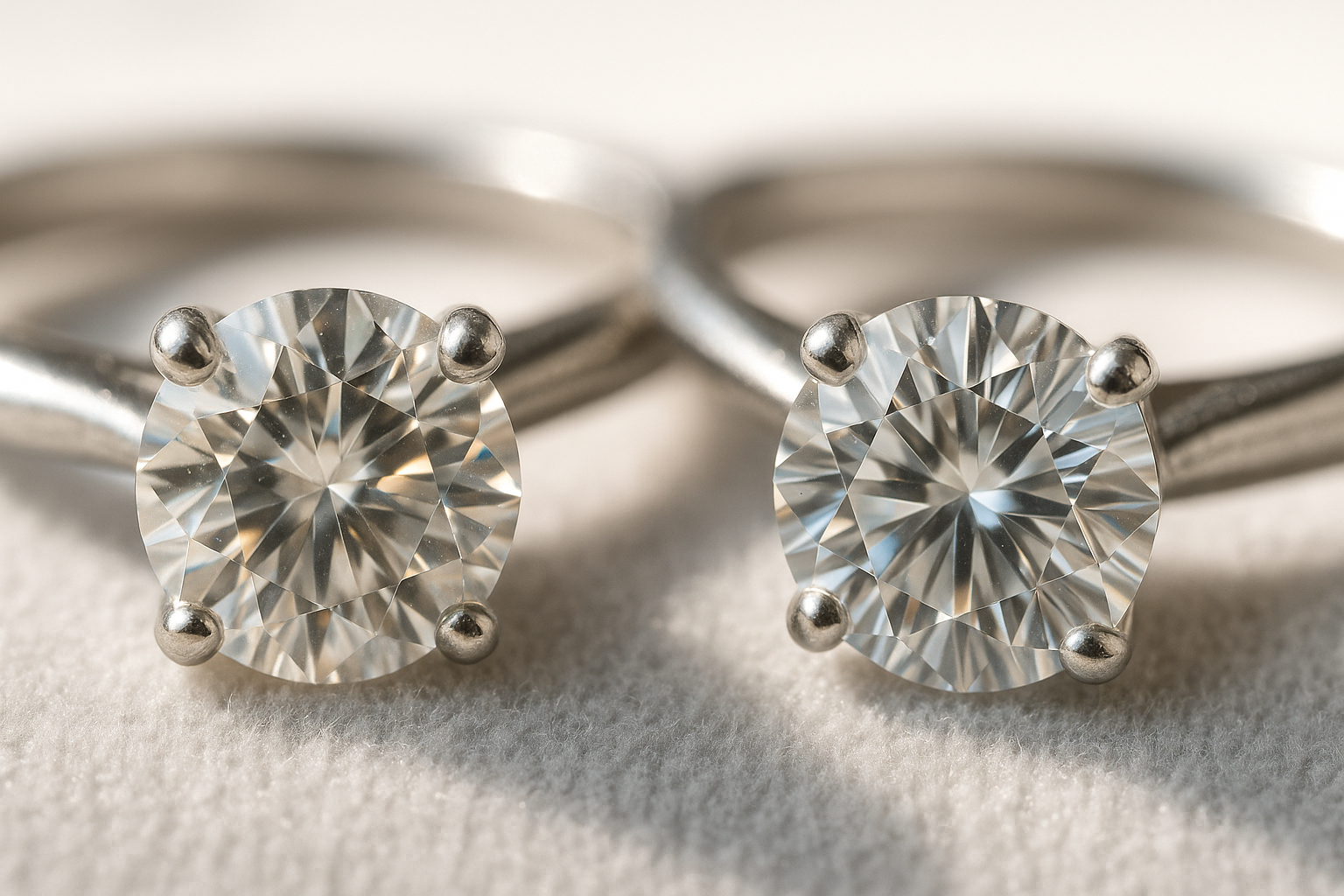
Lab Diamonds and Natural Diamonds: What Is the Difference?
A natural diamond forms deep within the earth under intense heat and pressure over a very long period of time. After mining, it's cut, graded, and set into jewelry. Many people value natural diamonds for their rarity, geological history, and traditional place in engagement rings, wedding rings, wedding bands, and heirloom pieces.
A lab diamond is grown in a controlled setting using technology that recreates the conditions needed for diamond crystal growth. The two most common methods are CVD, which stands for Chemical Vapor Deposition, and HPHT, which stands for High Pressure High Temperature. The result is a gemstone with the same carbon structure as a mined diamond.
Lab-created diamonds are not diamond simulants. They are different from moissanite, cubic zirconia, and other look-alike stones. A trained grader can identify growth patterns and trace elements with professional equipment, but to the eye, a well-cut lab diamond and a well-cut natural diamond can look extremely similar side by side.
The most direct difference is their origin. A natural diamond comes from the earth. A lab diamond comes from a growth chamber. That origin affects price, sourcing transparency, resale expectations, and the meaning each buyer attaches to the ring.
| Factor | Lab-Created Diamond | Natural Diamond |
|---|---|---|
| Origin | Grown in a controlled lab setting | Formed naturally underground |
| Appearance | Same sparkle potential when cut well | Same sparkle potential when cut well |
| Price | Usually lower for the same size and grade | Usually higher due to rarity and mining supply |
| Sourcing | Easier to trace from creation to sale | Depends on mine, supplier, and documentation |
| Long-term value | Often lower resale market | Often stronger resale recognition |
| Best fit for | Size, budget flexibility, traceability | Rarity, tradition, heirloom meaning |
Neither option automatically wins for every couple. Lab-grown diamonds are not inherently better, and they're not worse than natural diamonds in beauty or daily durability. The better choice is the one that matches your priorities.
Your Engagement Ring: Price, Value, and Long-Term Expectations
Price is one of the biggest reasons couples compare lab diamonds with natural diamonds. In many cases, a lab-created stone costs less than a natural diamond with a similar carat weight, cut, color, and clarity. That difference can give buyers room to choose a larger center stone, a higher color grade, a custom setting, or matching wedding bands.
For example, a couple comparing a 1-carat lab-grown diamond vs natural price will often find a noticeable gap. The exact amount changes by market, shape, grading report, and seller, but the pattern is consistent: lab diamonds tend to offer greater visual size for the same budget.
That doesn't mean price is the only value. Natural diamonds carry value through scarcity, tradition, and long-standing market recognition. Many buyers like knowing their stone was formed by nature and may become part of family history. Others prefer the flexibility of putting more of the budget toward design, metal choice, setting detail, earrings, bracelets, necklaces, or a full wedding jewelry set.
Before you buy, separate three types of value:
- Emotional value: what the ring means to you and your partner.
- Visual value: how large, bright, balanced, and beautiful the stone looks.
- Market value: what the stone may be worth if traded, upgraded, or resold later.
Why don't jewelers buy back lab-grown diamonds as readily? The resale market is still changing, and prices for lab diamonds have moved down as production has grown. Some jewelers may offer upgrade programs, but many don't treat lab diamonds the same way they treat natural diamonds in buyback situations.
For many couples, this isn't a problem. An engagement ring is usually purchased for love, not resale. Still, it's wise to understand the difference before you choose. A transparent jeweler should be willing to discuss cost, margin, certification, upgrade options, and any limits around future trade-ins.
Ethics, Sourcing, and Transparency
Many couples begin the lab-grown vs natural conversation because they want a ring that feels aligned with their values. They want to know where the diamond came from, who handled it, and whether the purchase supports responsible practices.
Natural diamonds move through a longer supply chain. Their journey can include mining, sorting, cutting, grading, export, wholesale, and retail. The diamond industry has taken steps to reduce conflict-related trade, but sourcing clarity still depends on documentation and the standards of the companies involved.
That doesn't mean every natural diamond is ethically questionable. Many natural diamonds are responsibly sourced, conflict-free, and supported by credible suppliers. The point is that buyers need documentation, not vague reassurance. Ask for grading reports, supplier details, and clear disclosures about their origin when available.
Lab diamonds offer a different kind of clarity. Because they're created in controlled facilities, their origin is generally easier to document. A lab-grown engagement option can appeal to buyers who want fewer unknowns in the supply chain.
That said, lab-created diamonds also deserve questions. Ask about the energy used in production, the grading laboratory, the metal in the setting, and packaging choices. Sustainability is not a single claim. It's a set of practices.
A trust-based buying process should include:
- Clear diamond grading reports from respected labs such as GIA or IGI.
- Open disclosure whether the stone is lab-created or natural.
- Metal details, including gold, platinum, recycled metal, and setting weight when available.
- Pricing that shows what you're paying for the diamond, the setting, labor, and margin.
- Straight answers about returns, resizing, warranty, shipping, and upgrade policies.
- No pressure to choose one type of diamond before your priorities are heard.
True transparency also means naming tradeoffs. Lab diamonds may offer strong traceability and price flexibility, but they may have weaker resale demand. Natural diamonds may offer rarity and tradition, but they require careful sourcing questions. Honest guidance should make the choice clearer, not louder.
Beauty, Quality, and Everyday Wear
The beauty of an engagement ring depends less on origin and more on quality. Cut has the greatest impact on sparkle. A poorly cut natural diamond can look dull, while a well-cut lab diamond can look bright and balanced. Color, clarity, shape, carat weight, and setting style all shape the finished look.
When comparing lab-grown vs natural diamond side by side, focus on what you can see. Does the stone return light well? Does the shape suit the hand? Are the proportions pleasing? Does the ring feel comfortable for daily wear? Does the metal color flatter the diamond and your style?
The 4Cs still matter for both types:
- Cut: controls brilliance, fire, and overall life.
- Color: ranges from colorless to warmer tones.
- Clarity: measures internal and external characteristics.
- Carat: describes weight, not face-up size alone.
Some technical differences may appear on grading reports or under specialized testing. For instance, some lab-grown diamonds have no nitrogen, especially those categorized as Type IIa, while many natural diamonds contain nitrogen. This doesn't make one automatically better for a buyer. It's simply part of how gemologists can study formation and identity.
For daily wear, both options are suitable. Diamond is the hardest natural material, and lab-created diamonds share the same hardness. The setting, prongs, band thickness, and metal choice often matter more for long-term wear than the diamond’s origin.
A ring with a delicate band may need more care than one with a sturdier profile. A high-set center stone may catch on clothing. A pavé band may need occasional stone checks. Wedding bands should also be planned early so the engagement ring and wedding band sit well together.
Beauty is not only sparkle. It's how the ring feels on an ordinary Tuesday, during a wedding ceremony, and years later when it has become part of your daily rhythm.
How to Choose the Right Diamond Ring
The best buying process starts with priorities. Before choosing a diamond engagement setting, talk through what matters most: budget, size, origin, tradition, sustainability, resale, certification, design, and timeline.
Some couples want the largest diamond their budget allows. Some want a rare natural diamond with a strong story. Some want a personalized setting with a lab diamond, recycled metal, and clear pricing. Some want a ready-to-ship engagement ring because the proposal is planned for this month.
None of these reasons are wrong. The right ring should fit the person who will wear it.
Use this buying checklist before you decide:
- Set a budget that includes the center stone, setting, taxes, insurance, resizing, and wedding bands.
- Compare lab diamonds vs real diamonds cost by looking at stones with the same shape, carat, cut, color, and clarity.
- Review grading reports, not only product descriptions.
- Ask whether the stone is natural, lab-created, treated, or a different gemstone.
- Check return windows, shipping insurance, warranty, and upgrade policies.
- Choose metal that fits daily life, such as platinum, yellow gold, white gold, or rose gold.
- Pair the ring with future wedding rings or bands before the setting is finished.
- Work with a jeweler who explains pricing without hiding behind vague luxury language.
The disadvantages of a lab-grown diamond usually relate to resale value, price changes, and personal preference around rarity. The disadvantages of a natural diamond usually relate to higher cost and the need for stronger sourcing review. A good jeweler won't shame either choice.
If you're drawn to lab diamonds, ask to see several options in your preferred shape. If you love natural diamonds, ask for sourcing details and grading paperwork. If you're unsure, compare both in the same setting style. Seeing them side by side often quiets the noise.
Ready to Find the Ring That Fits Your Story
A meaningful engagement ring doesn't come from following someone else’s rule. It comes from choosing with honesty. Lab diamonds offer traceability, modern craftsmanship, and budget flexibility. Natural diamonds offer rarity, tradition, and a story shaped by the earth. Both can become a ring you love wearing every day.
True Sanity makes that decision easier by focusing on clear cost breakdowns, conflict-free sourcing, thoughtful craftsmanship, and direct guidance. Whether you are comparing a lab diamond, a natural diamond, wedding bands, gemstone accents, or a custom diamond ring, the goal is the same: a piece that feels beautiful, honest, and fully yours.
Start with what matters to you. Then choose the diamond, metal, setting, and story that match it.
Ready for a clearer buying experience? Schedule a virtual appointment with a True Sanity diamond specialist, compare labcreated and natural diamonds side by side, and design an engagement ring with transparency from the first question to the finished box.