


How Much Should a Diamond Engagement Ring Cost?
Buying a diamond engagement ring should feel clear, personal, and grounded in trust. Yet many couples feel pulled between old spending rules, online averages, family expectations, and the desire to choose a ring that feels worthy of the moment.
So, how much should you spend? How much should a diamond engagement ring cost? The honest answer is simple: spend what fits your life, your values, and the ring your partner will love wearing. The right budget should support your proposal, not create stress before your wedding planning even begins.
At True Sanity, the focus is radical transparency: clear pricing, traceable origins, conflict-free diamonds, honest material details, and jewelry made with care. That approach changes the buying experience. Instead of guessing what drives the ring price, you can see how the diamond, setting, metal, labor, and margin shape what you pay.
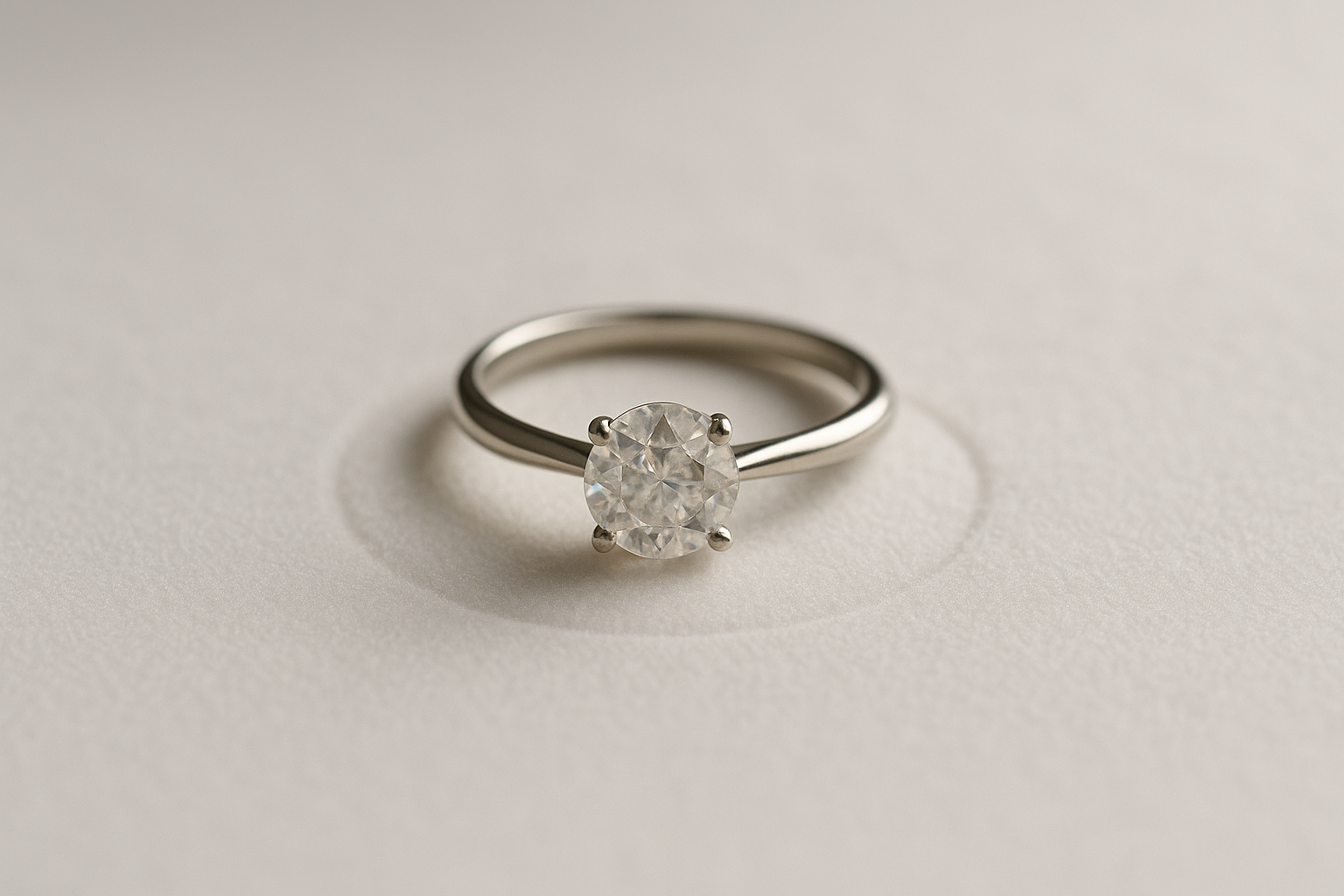
What Is the Average Cost of an Engagement Ring?
The average engagement ring cost can be useful as a starting point, but it shouldn't become a rule. Many buyers spend somewhere between a few thousand dollars and five figures, depending on income, location, diamond size, stone type, setting style, and personal priorities.
The old “two months’ salary” idea still appears in conversations, but it doesn't fit every couple. A buyer who earns $100,000 a year doesn't need to spend a fixed amount to prove commitment. A $4,000 or $5,000 ring can be beautiful, thoughtful, and lasting. A $30,000 ring can also make sense for someone with the budget and desire for a rare stone or custom-design.
The better question is: what amount lets you choose well without harming your financial peace?
For some couples, that means a natural diamond with a classic solitaire setting. For others, it means lab-grown diamonds that allow for a larger carat weight or a higher grade at a lower price. Some choose a gemstone center, vintage-inspired details, or a custom setting with matching wedding bands.
A thoughtful budget should account for:
- The center stone, including diamonds or other gemstone options
- The setting, metal, and design details
- Taxes, shipping, insurance, resizing, and appraisal needs
- Wedding bands or future matching bands
- Your savings, debt, income, and near-term wedding plans
Your engagement ring should carry meaning, not pressure. When the cost aligns with your real life, the ring becomes a symbol of trust from the start.
What Shapes the Engagement Ring Price?
An engagement ring is not priced from one detail alone. The final amount reflects the diamond, the setting, the metal, the craftsmanship, certification, and the jeweler’s pricing model.
A transparent jeweler should be able to explain each piece of that price. If the numbers feel vague, ask for a breakdown. True Sanity’s approach supports that kind of honesty, showing buyers what they're paying for rather than hiding behind inflated retail language.
| Cost Factor | What It Means | How It Affects Price | What to Ask |
|---|---|---|---|
| Center stone | The main diamond or gemstone | Usually the largest part of the price | Is it natural, lab-grown, certified, treated, or untreated? |
| Diamond grade | Cut, carat, color, and clarity | Higher grades often increase cost | Which grade gives the best visual value? |
| Metal | Platinum, yellow gold, white gold, rose gold, or recycled gold | Platinum and heavier settings often cost more | What is the metal weight and purity? |
| Setting style | Solitaire, halo, pavé, three-stone, bezel, or custom | Added stones and detail raise labor and material costs | What does the settings price include? |
| Craftsmanship | Labor, design, stone setting, finishing | Custom work can raise the final total | Who makes the ring and how is quality checked? |
| Certification | Reports from labs such as GIA or IGI | Adds trust and documentation | Can I see the report before purchase? |
The center diamond has the biggest impact in most engagement rings, but the setting also matters. A simple solitaire in 14k gold may cost much less than a platinum pavé design with side stones. A custom hidden halo, hand engraving, or a matching contoured wedding band can also raise the total.
This is why two rings with the same carat weight can have very different prices. One may use a better cut stone, heavier metal, a more complex setting, or a higher labor standard. The real value comes from seeing the full story behind the number.
How Diamond Cut, Carat, Color, and Clarity Affect Cost
The 4Cs shape diamond pricing, but they don't affect beauty equally. Understanding them helps you spend where it matters most.
Diamond cut has the strongest visual effect. Cut controls how light moves through the stone. A well-cut diamond can look bright, balanced, and lively, even at a lower carat weight. A poorly cut stone may look dull, even if it has strong clarity or color grades.
Diamond carat measures weight, not size alone. A 1.50 carat diamond usually costs much more than a 1.00 carat stone, especially if the color and clarity are similar. Small changes below popular sizes, such as choosing 0.90 instead of 1.00 carat, can sometimes improve value while keeping a similar look.
Diamond color measures how colorless a stone appears. Many buyers don't need the highest color grade to get a beautiful ring. The right choice depends on shape, setting metal, and personal taste. A warm diamond can look stunning in yellow gold, while a colorless stone may appeal to someone choosing platinum or white gold.
Diamond clarity measures internal and external characteristics. Many stones with modest clarity grades still look clean to the naked eye. Instead of paying for a grade you can't see, ask whether the diamond is eye-clean.
For many buyers, the best visual balance is a strong cut, a carat weight that suits the hand, a color grade that fits the metal, and a clarity grade that looks clean without overpaying.
Lab-grown and natural diamonds are graded by the same core factors. The difference is origin, availability, price pattern, and resale expectation. Natural diamonds often cost more because of rarity and mining supply. Lab-grown options can lower the price for the same visible size and grade, which appeals to buyers who want a larger look or a tighter budget.
Setting a Budget That Reflects Your Values
A good budget starts with honesty. Before you shop, decide what matters most: size, origin, craftsmanship, sourcing, metal, resale value, or a specific design.
Some people want a classic natural diamond engagement ring because they value geological rarity and tradition. Others prefer lab-grown diamonds because they offer traceable origin and a lower price for the look they want. Some want recycled gold, conflict-free sourcing, or a jeweler who can explain every charge on the invoice.
There's no single correct formula. The right budget should respect your relationship and your financial future.
Use this budget framework before you choose:
- Set a comfortable maximum before looking at rings.
- Decide whether the center stone, setting, or total design matters most.
- Compare natural and lab-grown diamonds in the same shape and grade.
- Ask how much of the total goes to the diamond, metal, labor, and margin.
- Leave room for wedding bands, insurance, and resizing.
- Avoid financing that makes the ring feel heavy after the proposal.
- Choose a jeweler who answers questions directly.
For a buyer earning $100,000 a year, the budget could be $3,000, $8,000, $15,000, or another number entirely. The income alone doesn't decide the amount. Savings, debt, rent, wedding plans, family goals, and partner preference all matter.
A ring should feel like a promise, not a performance.
Smart Ways to Pay for the Ring You Want
A smart purchase is not always the cheapest one. It's the one where the beauty, price, sourcing, and quality feel aligned.
Start by comparing diamonds with the same shape, cut grade, carat weight, color, and clarity. This helps you understand what you're actually paying for. If two stones look similar but one costs much less, ask why. It may be lab-grown, lower in color, lower in clarity, poorly cut, treated, or sold with a different grading report.
Next, think about where you can adjust without losing the look. You might choose a slightly lower carat weight, a warmer color grade, or an eye-clean clarity grade. You might choose 14k gold instead of platinum, or a clean solitaire instead of a pavé setting. These changes can keep the design elegant while lowering the total.
Also consider the full jewelry plan. Engagement rings are often paired with wedding bands, anniversary bands, earrings, bracelets, or necklaces over time. Spending with that future in mind can help you build a collection that feels connected rather than rushed.
Ask about warranty, returns, upgrades, shipping, and appraisal support before you buy. A fair price is not only the number on the product page. It includes service, protection, and the confidence that your jeweler will still be there after the ring is delivered.
If you want a direct, low-pressure process, schedule a virtual appointment with True Sanity. You can compare diamonds, review pricing, and ask clear questions before making a decision.
Start with Transparency, Then Choose with Confidence
The best engagement ring budget is not dictated by a rule. It's built from honesty: what you can afford, what your partner will love, and what values you want the ring to carry.
A diamond ring may cost $2,000, $5,000, $10,000, $30,000, or another amount. The number matters, but the clarity behind it matters too. You deserve to know the stone’s origin, the metal details, the labor involved, the margin, and the protections that come with your purchase.
True Sanity was built for buyers who want that level of openness. With transparent pricing, traceable origins, conflict-free diamonds, recycled gold commitments, virtual appointments, free shipping, returns, warranty support, and lifetime upgrade options, the process is designed to feel honest from the first question.
Choose the ring that fits your story, your budget, and your values. When you are ready, schedule a True Sanity appointment to compare diamonds, review real costs, and create an engagement ring with nothing hidden.