Shop Sapphire Rings by Style
Sapphire rings don’t sit in a single category anymore. They move between engagement designs, everyday bands, and statement pieces depending on how they’re set and styled. This collection reflects that range without forcing it into rigid definitions.
Sapphire Solitaire Rings
Sapphire solitaire rings keep the focus entirely on the gemstone. The design is minimal, but the color carries the entire presence of the ring, making it feel direct and intentional rather than decorative.
These are often chosen for engagement settings or personal milestone pieces where simplicity matters more than detail.
Sapphire & Diamond Rings
Sapphire and diamond rings build contrast between deep color and bright reflection. The diamond accents don’t compete with the sapphire; they frame it, adding structure and light around the center stone.
Common styles include:
- Halo sapphire rings
- Three-stone sapphire rings
- Cluster sapphire rings
- Diamond-accent sapphire bands
- Fashion sapphire rings
Sapphire Wedding Bands
Sapphire wedding bands are chosen for durability and symbolism. Instead of a single focal stone, they create a continuous line of color or structured gemstone placement across the band.
Popular variations include:
Sapphire Statement Rings
Statement sapphire rings lean into shape, scale, and visual presence. These are not subtle pieces—they’re designed around contrast, structure, and strong gemstone placement.
They often feature:
- Larger center sapphires
- Multi-stone layouts
- Architectural or geometric settings
- Mixed gemstone combinations
Lab Grown Sapphire Rings
Lab grown sapphire rings offer the same physical and chemical structure as natural sapphires, created in controlled environments with consistent clarity and color.
They are often chosen for:
- Larger stones at accessible pricing
- High clarity designs
- Consistent blue tones
- Everyday fine jewelry without compromise
Sapphire Ring Metals & Settings
Metal choice changes how a sapphire ring feels more than most people expect. The same stone can look sharp, warm, muted, or high-contrast depending on the setting.
Gold Sapphire Rings
Gold settings shape the tone of sapphire rings in a direct way.
- Yellow gold brings warmth and vintage depth
- White gold sharpens contrast and makes the sapphire appear brighter
- Rose gold softens the overall look with a warmer emotional tone
- Blackened gold creates a modern, high-contrast finish
Platinum & Silver Sapphire Rings
Platinum and sterling silver settings emphasize structure and clarity. These metals are often used in engagement and wedding designs where durability and long-term wear matter more than warmth.
They work especially well with blue sapphire rings because they keep the focus on the gemstone itself.
Sapphire Ring Settings (Bezel vs Prong)
Setting style changes both durability and visual openness.
Bezel settings surround the sapphire with metal for added protection and a clean, modern edge.
Prong settings lift the stone higher, allowing more light to enter and increasing brilliance and sparkle.
Sapphire Rings for Engagement, Weddings & Everyday Wear
Sapphire rings have become a strong alternative to traditional diamond jewelry because they carry meaning without relying on convention.
Sapphire Engagement Rings
Sapphire engagement rings are chosen for color, individuality, and durability. They offer a clear visual identity while still holding up to everyday wear.
They’re often selected by people who want something recognizable but not traditional.
Sapphire Wedding Rings
Sapphire wedding rings replace or complement classic metal bands. They introduce color into a category that has historically stayed minimal.
They work especially well for couples looking for coordinated but non-matching ring styles.
Everyday Sapphire Rings
Not all sapphire rings are tied to milestones. Many are worn daily as personal pieces because sapphire is one of the hardest gemstones used in fine jewelry.
This makes it practical for long-term, continuous wear without constant concern.
Why Choose TrueSanity for Sapphire Rings
Sapphire rings vary widely across the market in quality, sourcing clarity, and pricing structure. The difference is often not in the stone itself, but in what is communicated around it.
Transparent Craftsmanship
Every sapphire ring is built with clear disclosure around materials, gemstone origin, and treatment status. Nothing is hidden behind vague descriptions or assumed value.
Built for Real Wear
Sapphire rings are designed to be worn regularly, not stored for special occasions. Settings, metals, and proportions are chosen with long-term durability in mind.
Natural and Lab Grown Options
Both natural and lab grown sapphires are offered with full disclosure so the decision stays with the customer. The difference is origin, not legitimacy.
The Transparency Manifest
Every sapphire ring includes a breakdown of materials, craftsmanship, sourcing, logistics, and pricing structure. It replaces estimated value with visible cost structure.


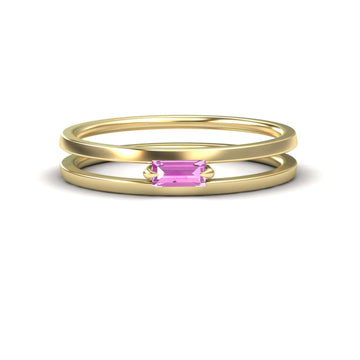
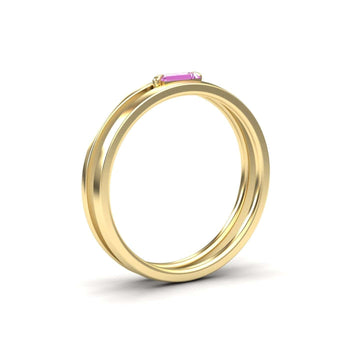 Pink Sapphire Minimalist Double Band Ring - Alia
 Blue Sapphire & Diamond Evil Eye Ring - Hazel
 Blue Sapphire & Diamond Lace Band Ring - Victoria
 Blue Sapphire Celtic Knot Wedding Band - Li Mei
 Blue Sapphire 4.5mm Men's Band Wedding Ring - Hudson
 Men's Blue Sapphire Channel-Set Wedding Band - Yan
 Blue Sapphire Solitaire Men's Band - Xiuling

 Blue Sapphire & Diamond Classic Eternity Band - Samantha
 Blue Sapphire Full Eternity Band - Diana
 Blue Sapphire & Diamond Half Eternity Wedding Ring - Parveen
 Lab Grown Blue Sapphire Bezel Set Solitaire Ring - Ada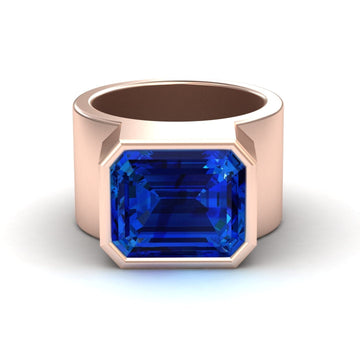
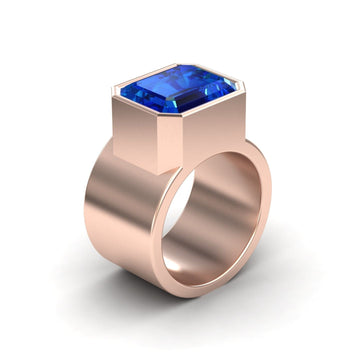 Lab Grown Blue Sapphire Statement Ring - Aparna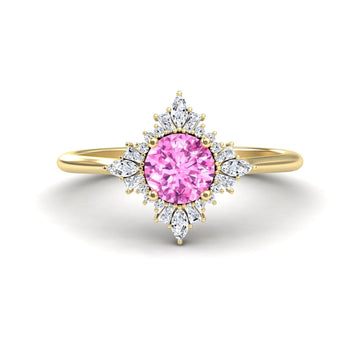
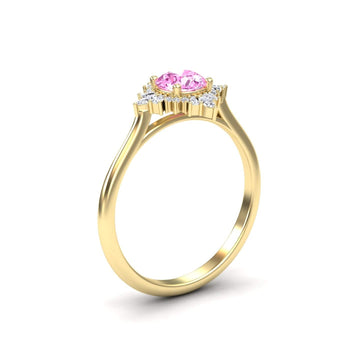 Pink Sapphire & Diamond Vintage-Inspired Starburst Ring - Delia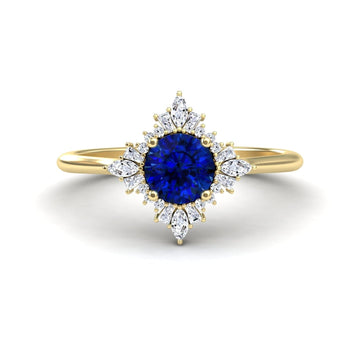
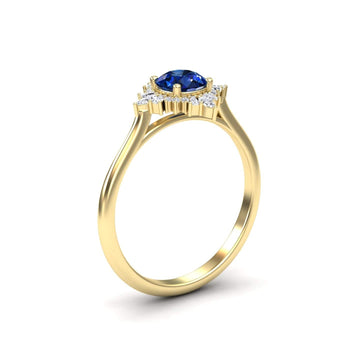 Blue Sapphire & Diamond Vintage-Inspired Starburst Ring - Delia
 Blue Sapphire & Diamond Zigzag Eternity Band - Aimee
 Blue Sapphire & Diamond Double Band Open Cuff Ring - Luci
 Pink Sapphire & Diamond Three Stone Ring - Marina
 Lab Grown Blue Sapphire & Moissanite Toi et Moi Ring - Gauri
 Men's 5.5mm Blue Sapphire Wedding Ring - Chase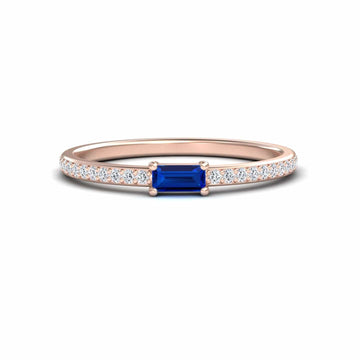
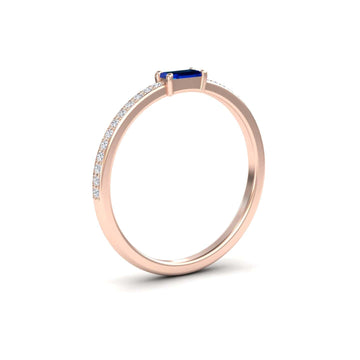 Blue Sapphire & Diamond Pave Ring - Dia
 Blue Sapphire Solitaire Men’s Band Ring - Nayana
 Blue Sapphire & Diamond Cluster Ring - Liana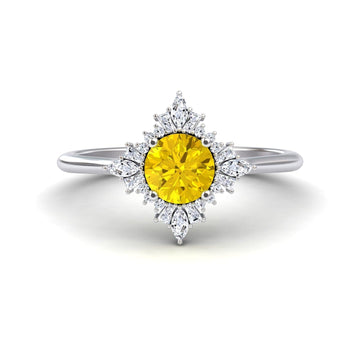
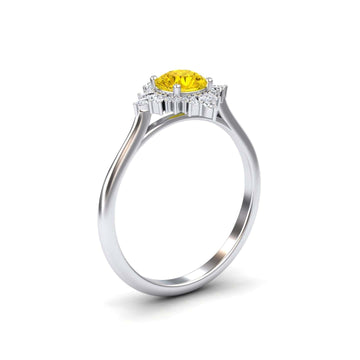 Yellow Sapphire & Diamond Vintage-Inspired Starburst Ring - Delia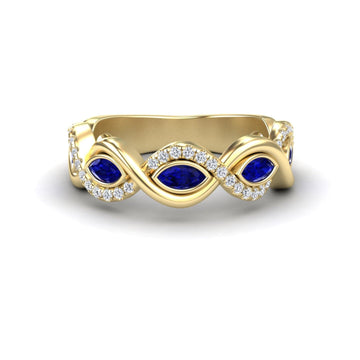
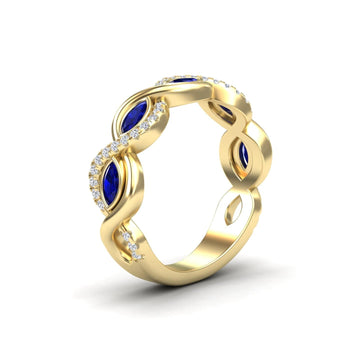 Blue Sapphire & Diamond Infinity Twist Band - Selma
 Lab Grown Blue Sapphire & Diamond Regal Ring - Anna
 Blue Sapphire & Diamond Double Band - Bianca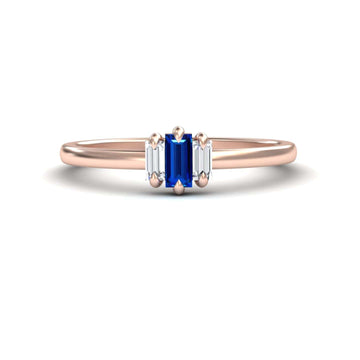
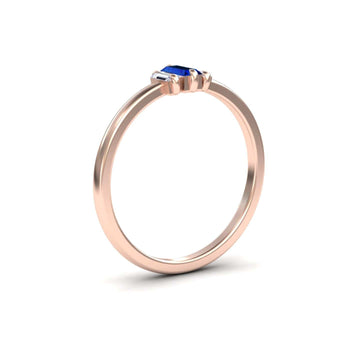 Blue Sapphire & Diamond Three Stone Ring - Marina
 Blue Sapphire & Diamond Fancy Ring - Julia
 Blue Sapphire Solitaire Petite Ring - Faria
 Pink Sapphire & Diamond Pave Ring - Dia
 Blue Sapphire & Diamond Three-Stone Art Deco Ring - Ivy


